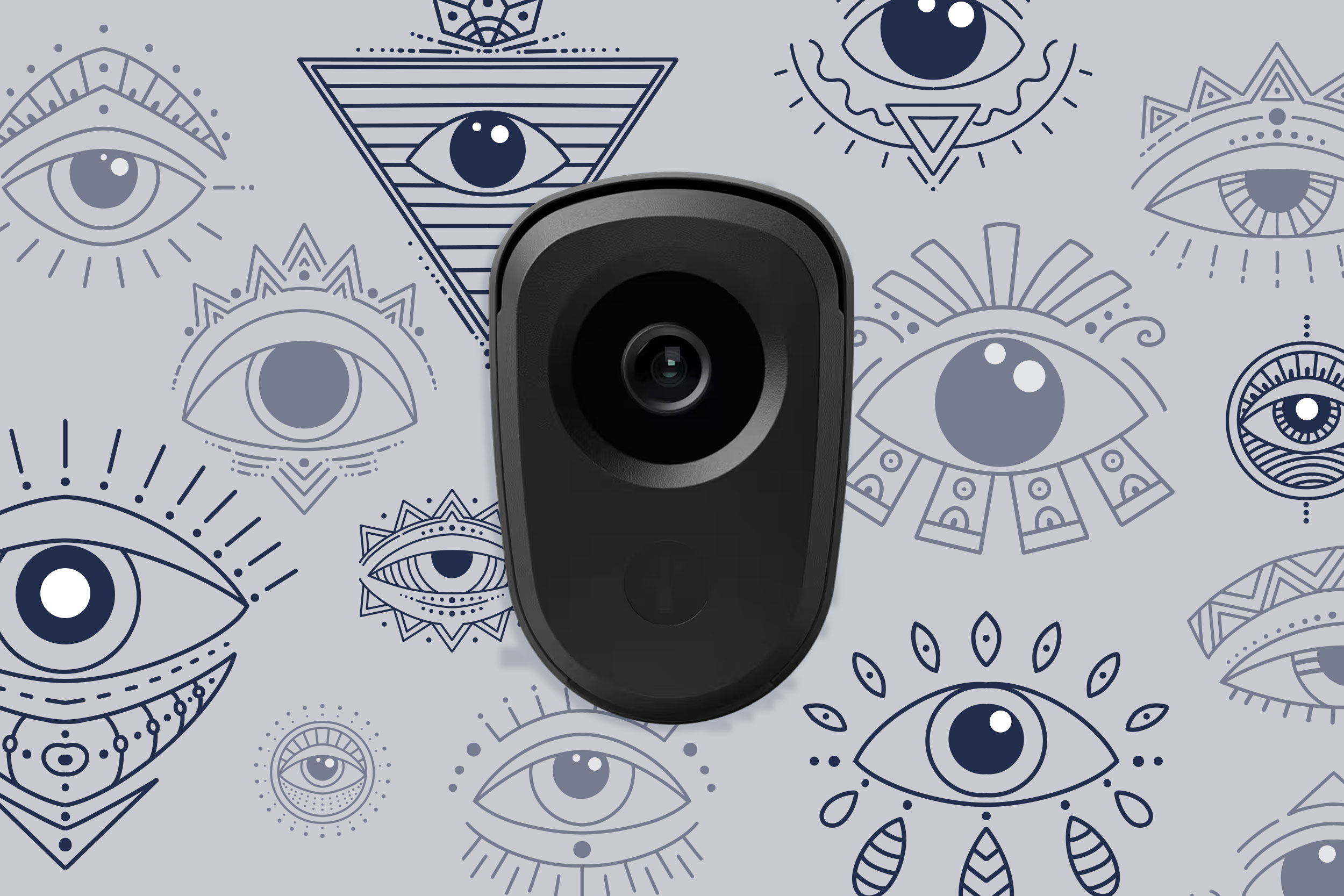




Automatic license plate readers are popping up across the country, and so are concerns about mass surveillance.
Charlottesville City Council terminated its contract with one operator after a one-year pilot with 10 devices, and at least 20 Virginia localities have stopped using Flock Safety cameras since July. Supporters point to the technology’s value to law enforcement, while critics question whether privacy protections have kept pace with the technology’s rapid deployment.
Daniel Graham, an associate professor at the University of Virginia School of Data Science and a cybersecurity expert, teaches students the art of “ethical hacking” – finding weaknesses in computer systems before criminals can exploit them.
The author of the bestselling book “Ethical Hacking,” Graham explains how license plate readers work, what information they collect and the potential security and privacy risks.

Cybersecurity expert Daniel Graham teaches UVA data science students to find weak points in systems before criminals can exploit them. He is the author of the bestselling book, “Ethical Hacking.” (Photo by Alyssa Brown, UVA School of Data Science)
Q. What challenges arise when license plate readers like Flock cameras are put in public spaces?
A. Flock cameras are connected, and this connectedness is what really makes these cameras a challenge for how people’s privacy is infringed. When you can share information across multiple locations, you can establish trends with people moving around in that environment. Because this data is collected and then stored in a single location, anybody with access to that single location can query those cameras without a warrant. This is one of the key ideas that is extremely challenging with Flock cameras.
Q. How does license plate data travel from the camera to a police database?
A. The camera will look for details, like license plates and other characteristics about the car, and then once it’s done that local processing, send that off securely to a central database that can then be queried. The processing actually happens on the camera. Because the camera is intelligent, it can synthesize that information and store it. This is a key distinction.
Your cellphone, every time it connects to a tower, can be triangulated to give your location. And so, as we’re walking around with our cellphones, there’s actually this mass surveillance that’s happening.
In Carpenter v. United States, the Supreme Court determined that access to historical (cellphone) location records should generally require a warrant.
Q. Are these same privacy measures in place for these license plate cameras?
A. The same software safeguards are not currently in place for the Flock cameras. But surveillance systems like this will occur. We just need to make sure that we have the same safeguards that we have for cellphone data, where you need a warrant and due process to access this information.
As new systems like Flock cameras are put in place, if we can give the public assurances that the government is stepping in to protect their personhood, we can still have some of the benefits of these systems without as much public backlash.
Q. What would it take for you to trust this kind of system with your own data?
A. It’s interesting to consider mass surveillance that we’re comfortable with versus the Flock cameras, which is mass surveillance that we’re not yet comfortable with.
Every time I search on Google, it collects that search data, but Google also lets me delete that data or retrieve it from the system. Being able to say, “Hey, I want to delete my data from the Flock system” would be one of the things that would give people confidence.
These cameras might have some benefit to society – we just have to figure out how to trust that the information being collected is being used in the right way.
Q. There are reports of Flock systems being misused. How does this kind of breach usually happen?
A. If you are given access to a Flock system but you don’t turn on built-in protections, then the person who’s accessing the system might be granted more access than they were supposed to have. So they can query multiple times for the same license plate. If the system wasn’t set up correctly, you might be able to access the Flock cameras across the country. We need to be much more careful about how we manage the configurations of these systems.


