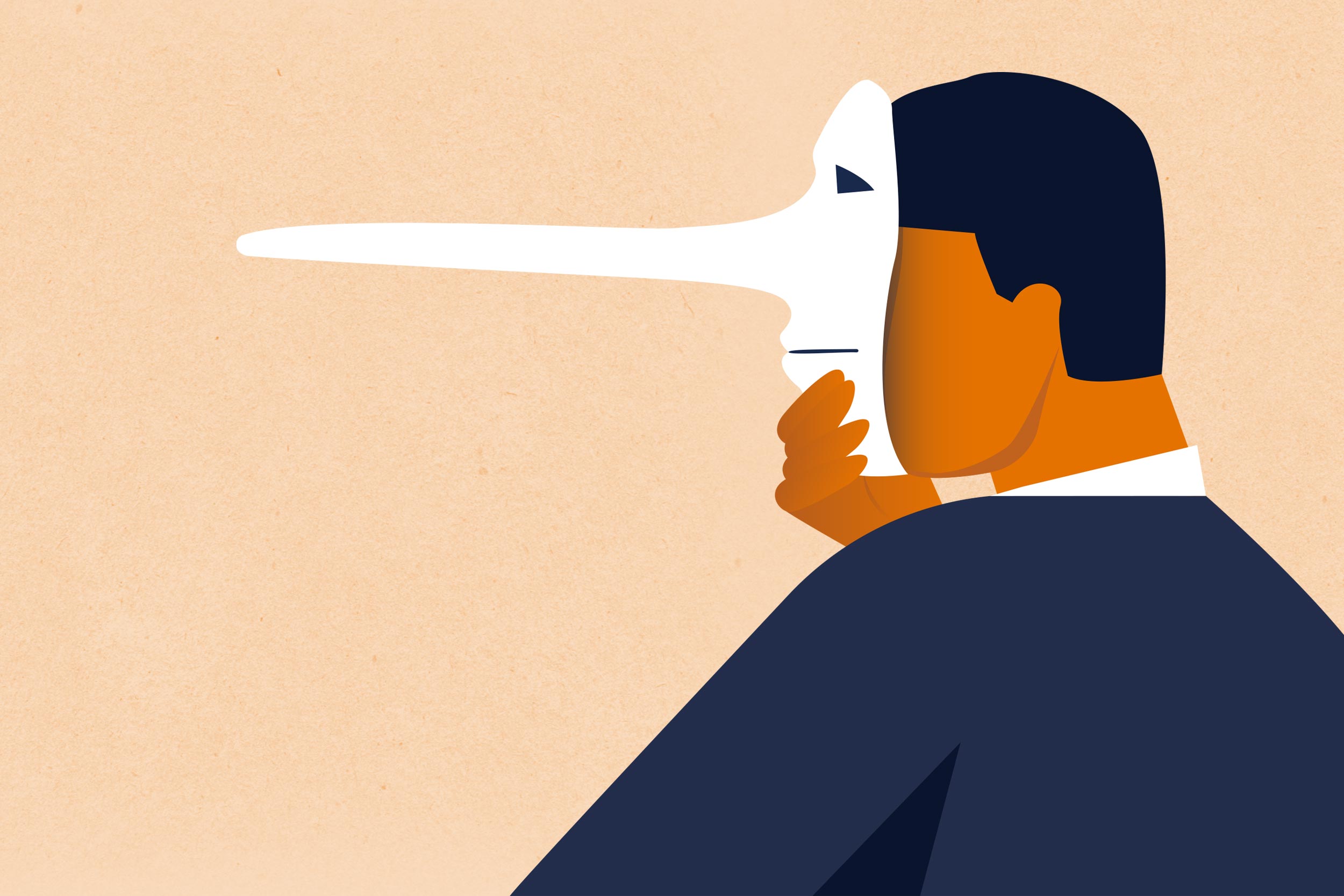




People shouldn’t be afraid to say what they think, and new research from the University of Virginia bears that out.
Across 11 studies in North America, researchers found people who claim neutrality on controversial issues are often met with skepticism.
“When someone expresses a neutral viewpoint, we are really skeptical of that neutral viewpoint, and we actually think that they are less moral – basically as immoral as someone who holds an opposing viewpoint,” said Gabrielle Adams, an associate professor of public policy, business administration and psychology who was among the leaders of the studies.
In one of the 11 studies, Adams and her team recruited 600 online participants, asking them to read about a colleague who either supported, opposed or claimed neutrality on increasing immigration. They then asked the participants to rate the colleague’s morality. The research team also measured participants’ own views on immigration.

Gabrielle Adams is a behavioral scientist with appointments in the Frank Batten School of Leadership and Public Policy and the Darden School of Business. (Photo by Tom Cogill)
“Unsurprisingly, targets whose views aligned with the participants were rated more favorably,” Adams said. “However, targets who expressed a neutral view were rated just as poorly as targets whose views on that topic were opposed to participants.”
Neutrality equals apathy and indecision
In another study, Adams’ team asked 605 people online to imagine sitting down at a holiday dinner and saying something like, “Hey, I heard the neighborhood is debating whether to open a safe drug injection site nearby. What do you all think about it?”
The researchers then had them imagine one of the dinner guests responded by saying they were neutral, in favor of or opposed to the site. They also asked participants how they personally felt about the issue.
“Overall, participants saw the guest who took a neutral stance as more conflict-avoidant and strategic than someone who agreed or disagreed with them,” Adams said. “At the same time, they also viewed the neutral guest as more apathetic and indecisive about the issue compared to guests who clearly took a side.”
In a third scenario, using a nationally representative sample, the scientists asked participants to imagine scrolling past a social media post where the person posting said they were either against, neutral on or in favor of a controversial issue. As you’d expect, people rated posters who shared their views the most positively. What stood out, though, was that posters who took a neutral position were rated just as negatively as those who openly disagreed with them.


