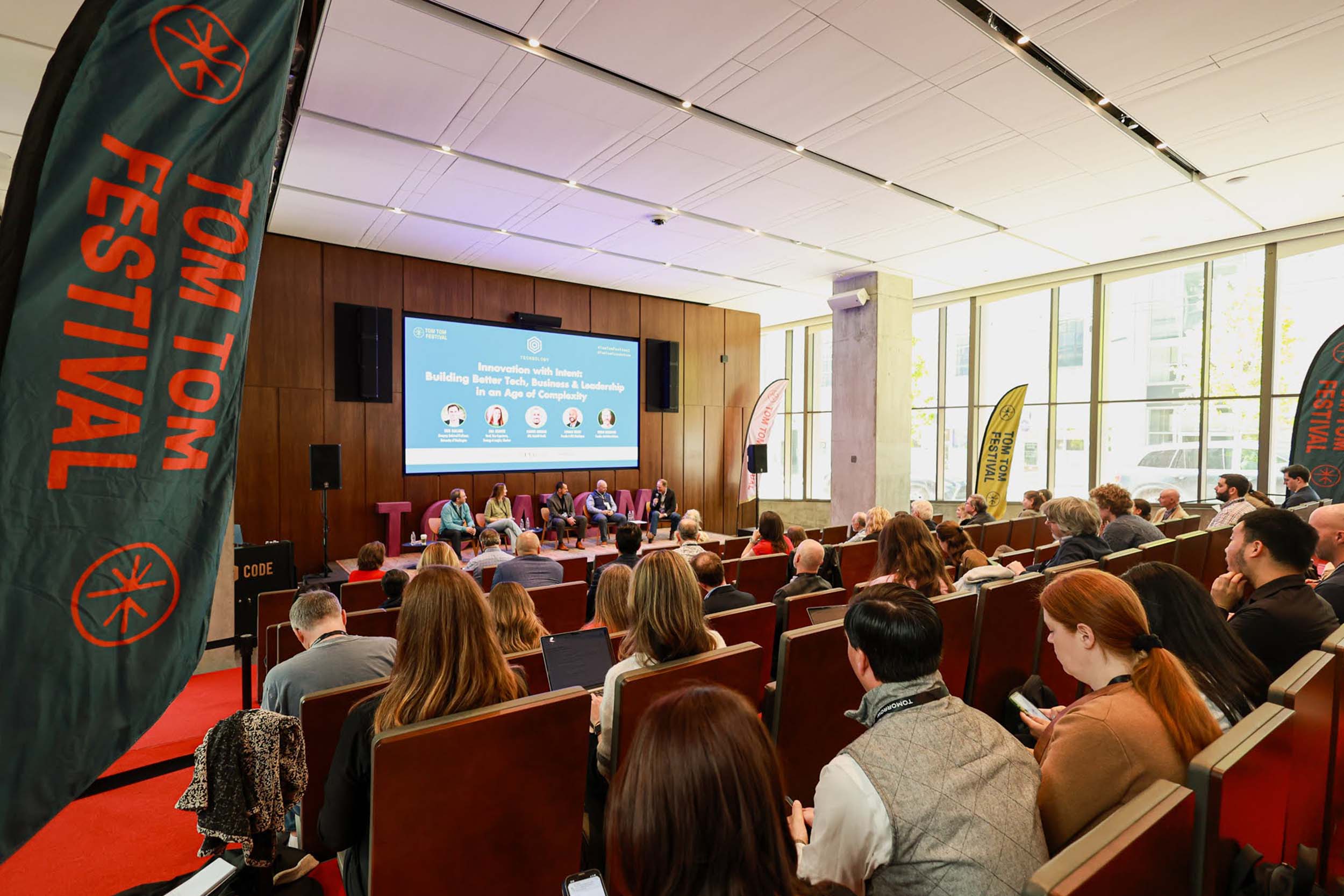




From automation to opportunity, the future of work will take center stage at this year’s Tom Tom Festival as leaders examine AI’s growing impact on the workforce.
More than 50 UVA faculty members, students and alumni are among the Charlottesville-area idea festival’s 300 speakers. The festival’s Civic Futures and Innovation Summit reflects deep collaboration across the University, including UVA Innovates, UVA Health, the Foundry, the Darden School of Business, the Galant Center for Innovation and Entrepreneurship, the Frank Batten School of Leadership and Public Policy and the Contemplative Sciences Center.
The festival’s focus on AI comes at a pivotal moment, just weeks after U.S. Sens. Mark Warner, a Democrat from Virginia, and Mike Rounds, a Republican from South Dakota, introduced the Economy of the Future Commission Act. Warner will be at the Tom Tom Festival on Friday to deliver a keynote focused on the evolving relationship between innovation and responsibility, highlighting the critical roles that AI companies, policymakers and ecosystem leaders play in shaping the future of work.
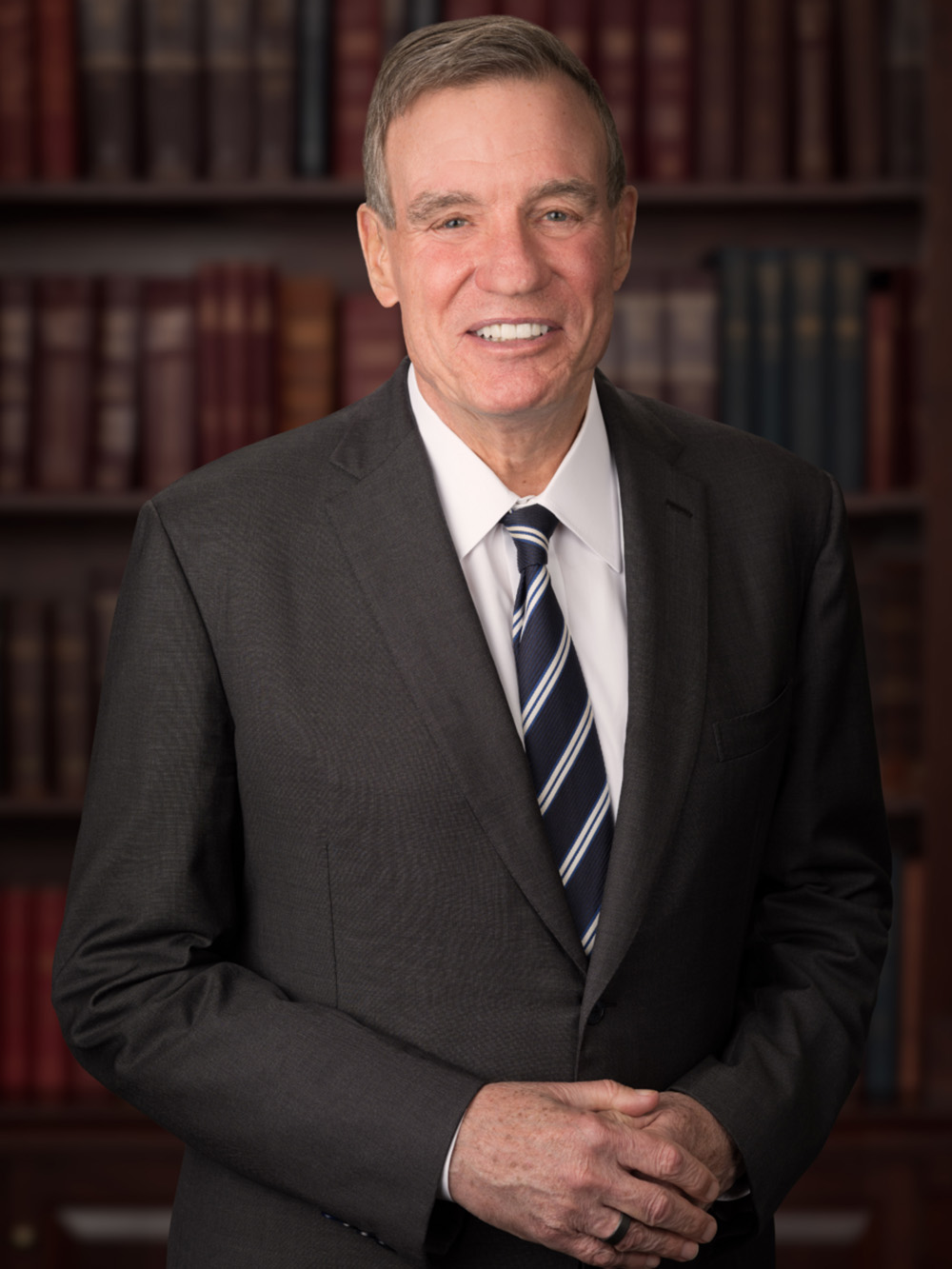
U.S. Sen. Mark Warner will deliver a keynote at the festival, focusing on the balance between innovation and responsibility in shaping the future of work. (Contributed photo)
“Reports in the last year indicate that AI disruptions will eliminate numerous entry-level jobs and cause unemployment in recent graduates to surge,” Warner said. “We have to make sure our investments in education and training pay off, so that people can have a long-term career. Employers need to invest in the workforce despite the changes and challenges that AI presents.”
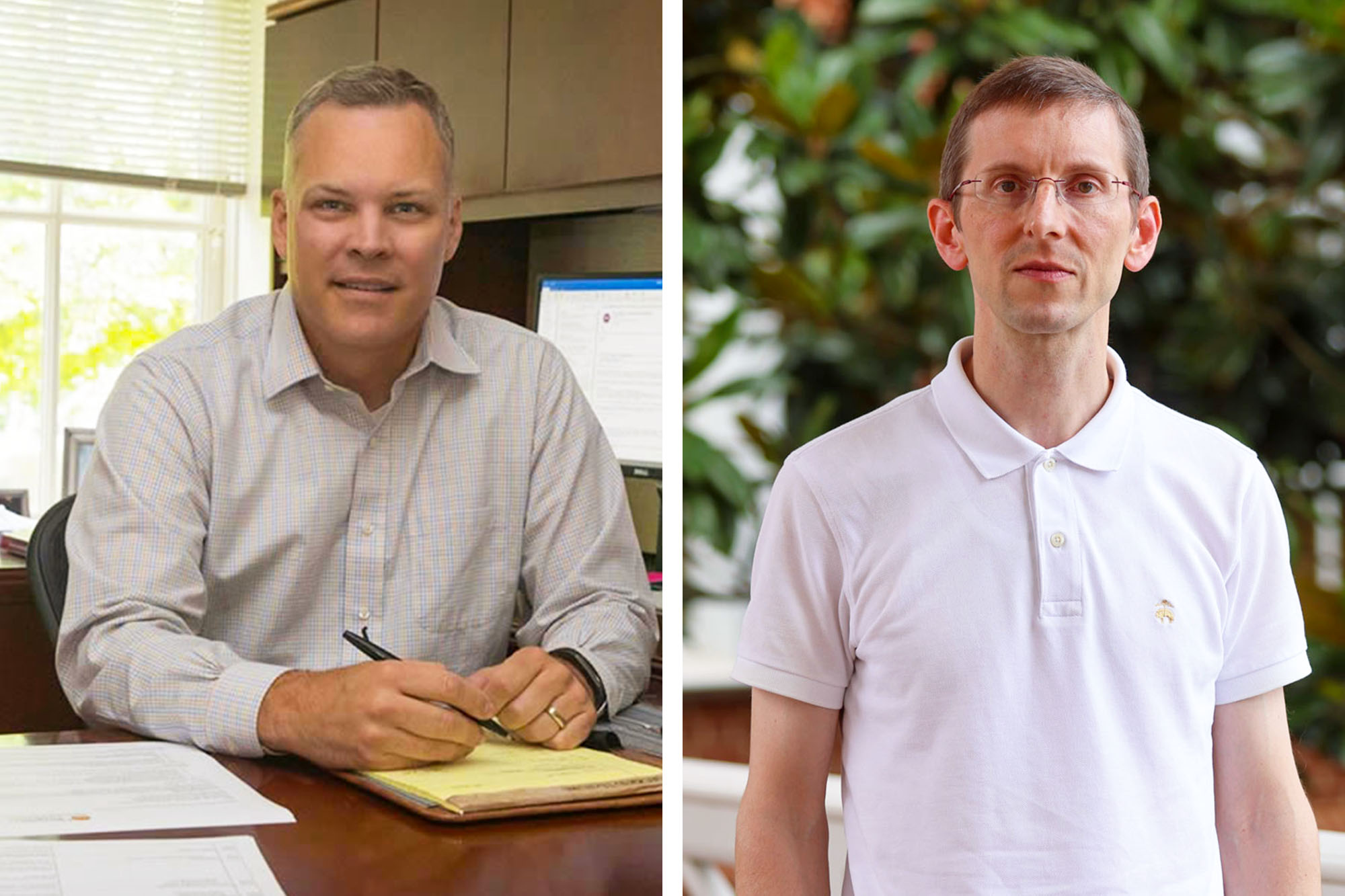
UVA economics and business professor Anton Korinek – named one of Time magazine’s most influential people in AI – urges leaders to plan across multiple scenarios. “Think in scenarios, rather than forecasts,” he said.
“Instead of betting on a single prediction, ask yourself: What would I do if AI progress continues along its current trajectory? What if it accelerates sharply over the next two years and eclipses human cognitive capabilities? What if the gains concentrate in a handful of firms, or diffuse broadly? Planning across several plausible futures – in your career, your organization and our public policy – is how you stay robust when the future is unknowable. Workers, employers and policymakers should all be building that kind of optionality now.”
UVA McIntire School of Commerce professor Ryan Wright, another AI expert, emphasized that the window for action is narrowing quickly.
“There is a window of two or three years when the AI rules we write, the AI education programs we fund and the AI investments we make will shape the next 20,” he said.
Wright pointed to Virginia’s growing leadership in the AI economy, noting the commonwealth ranked fourth nationally for AI job postings last year, behind only much bigger states like California, Texas and New York.