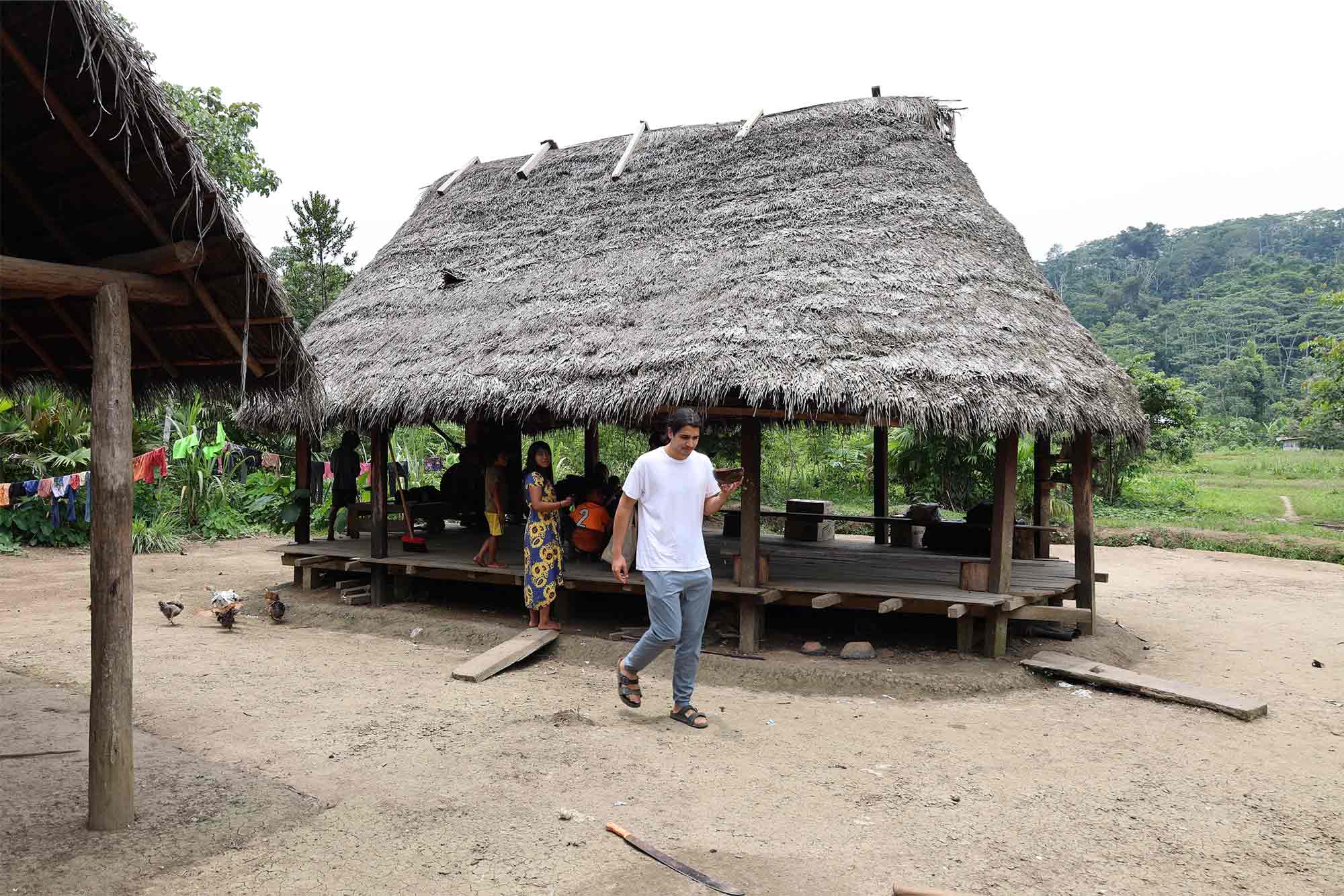
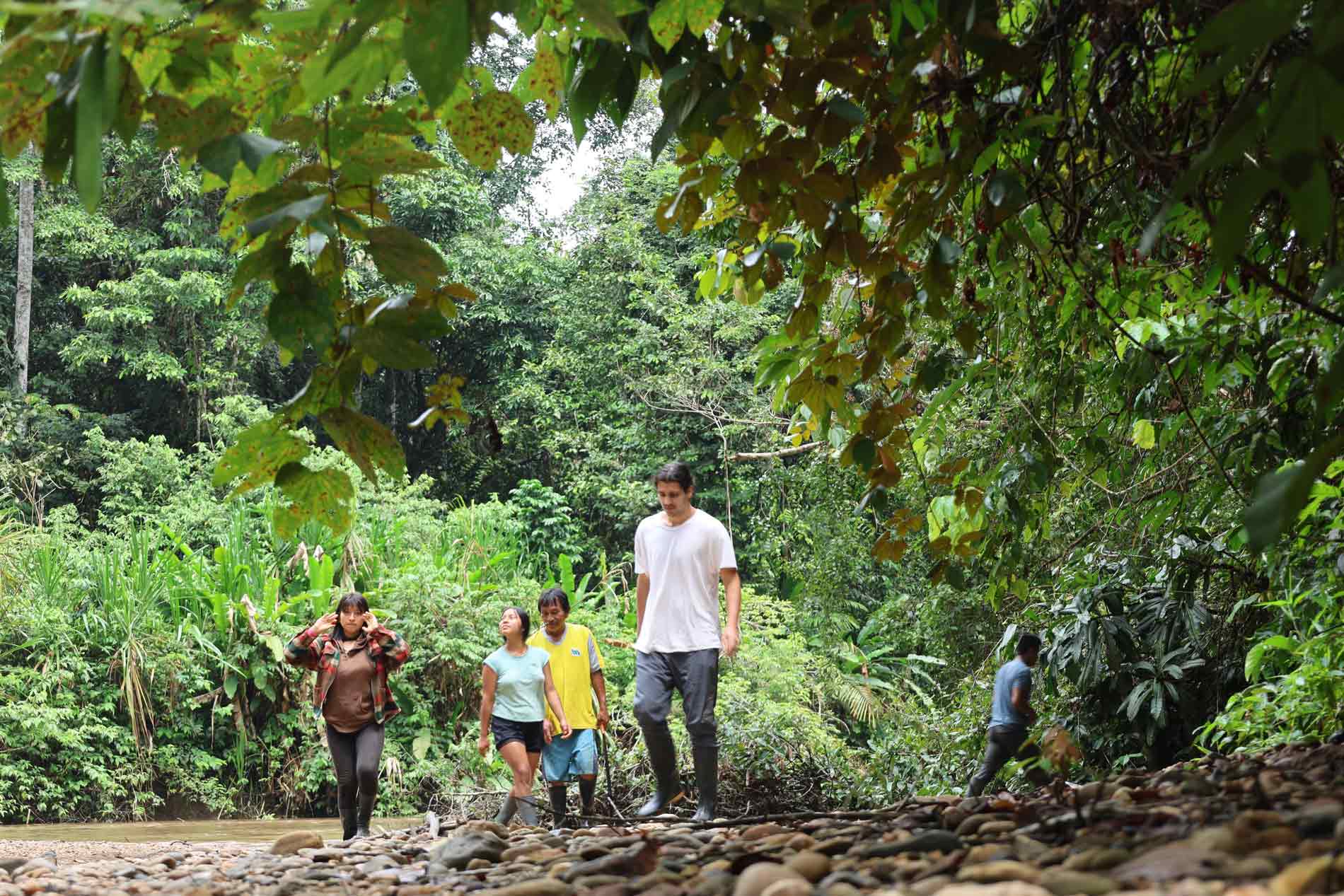
His resilience would be tested time and again but, ironically, the most daunting challenge came stateside, after the monthlong visit in July 2021 had ended. After three weeks of fever and crippling gastrointestinal issues, he was admitted to the Ohio State University Medical Center, where he would spend the next five months fighting a potentially fatal disease attacking his heart, brain and neuromuscular system.
On the brink of permanent blindness, an ophthalmologist identified the main culprit as Toxoplasma gondii, a relatively common parasite that typically causes little trouble in healthy people. Doctors speculated that Khandelwal was vulnerable to toxoplasmosis after picking up an earlier bug in the jungle, most likely giardia, from unsanitary water or food.
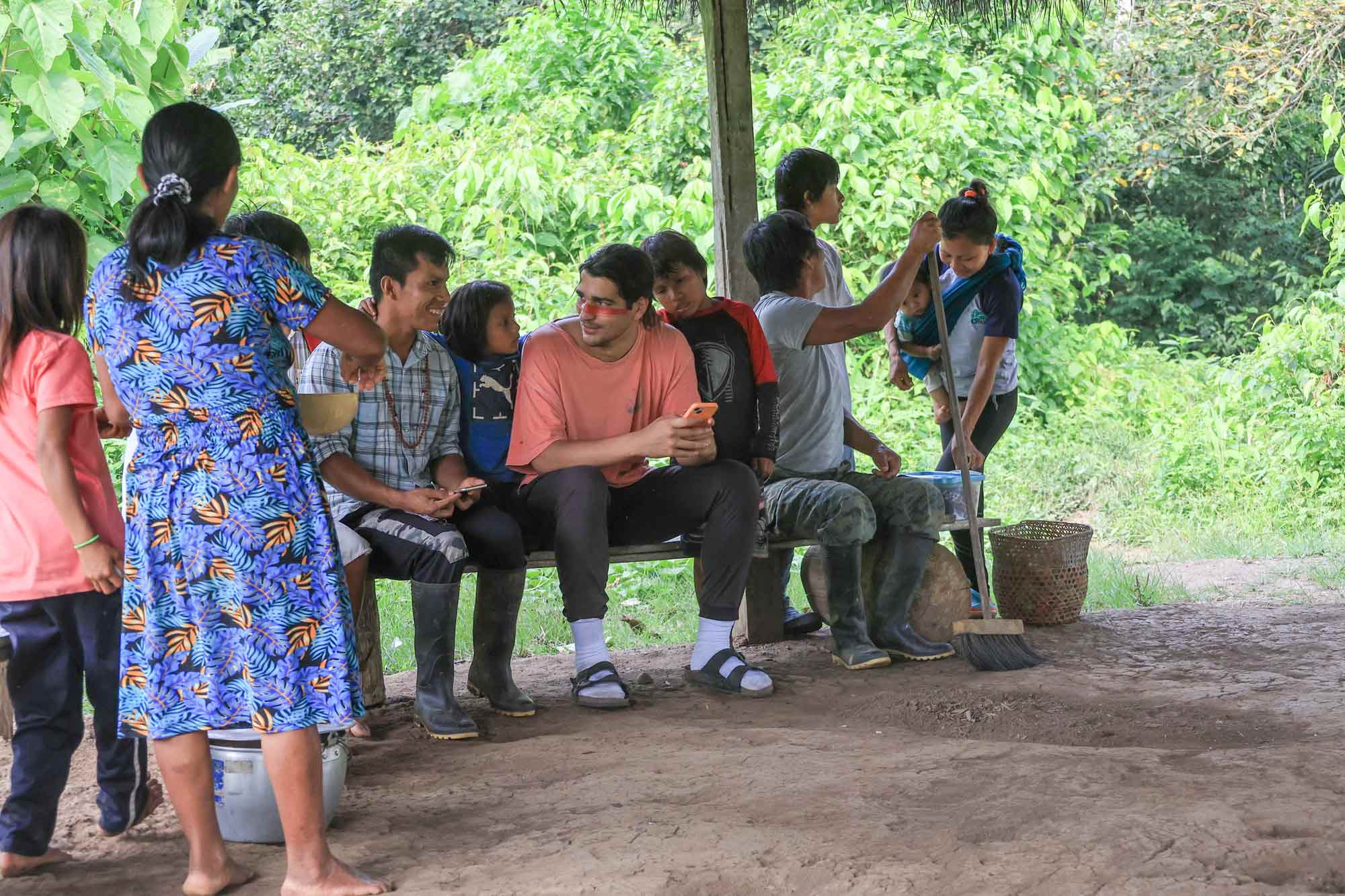
In his most hopeless moments, Khandelwal drew upon memories of his friends from the village.
“My mind would always circle back to the lessons I learned from the people in Llanchamacocha,” he said. “About resistance, resilience and standing strong and moving forward no matter how large an obstacle one is facing.”
While he was recovering from his illness in Columbus, Khandelwal launched a podcast and created social media content to amplify the voices of indigenous environmental activists, always with an eye on returning to the jungle.
Although his family discouraged him, Khandelwal went back to the Amazon shortly after he was discharged from the hospital, full of energy and the will to serve. He attended political events as an observer, visited devastated oil extraction sites and helped a multi-ethnic women’s collective devise funding plans.
He finished his political science degree online in August 2022 and graduated summa cum laude via Zoom while standing in the middle of the jungle with his new family, huddled around the solar panel that powers the community’s internet signal.
He didn’t leave the jungle again until early November and returned in January – this time, staying until May.