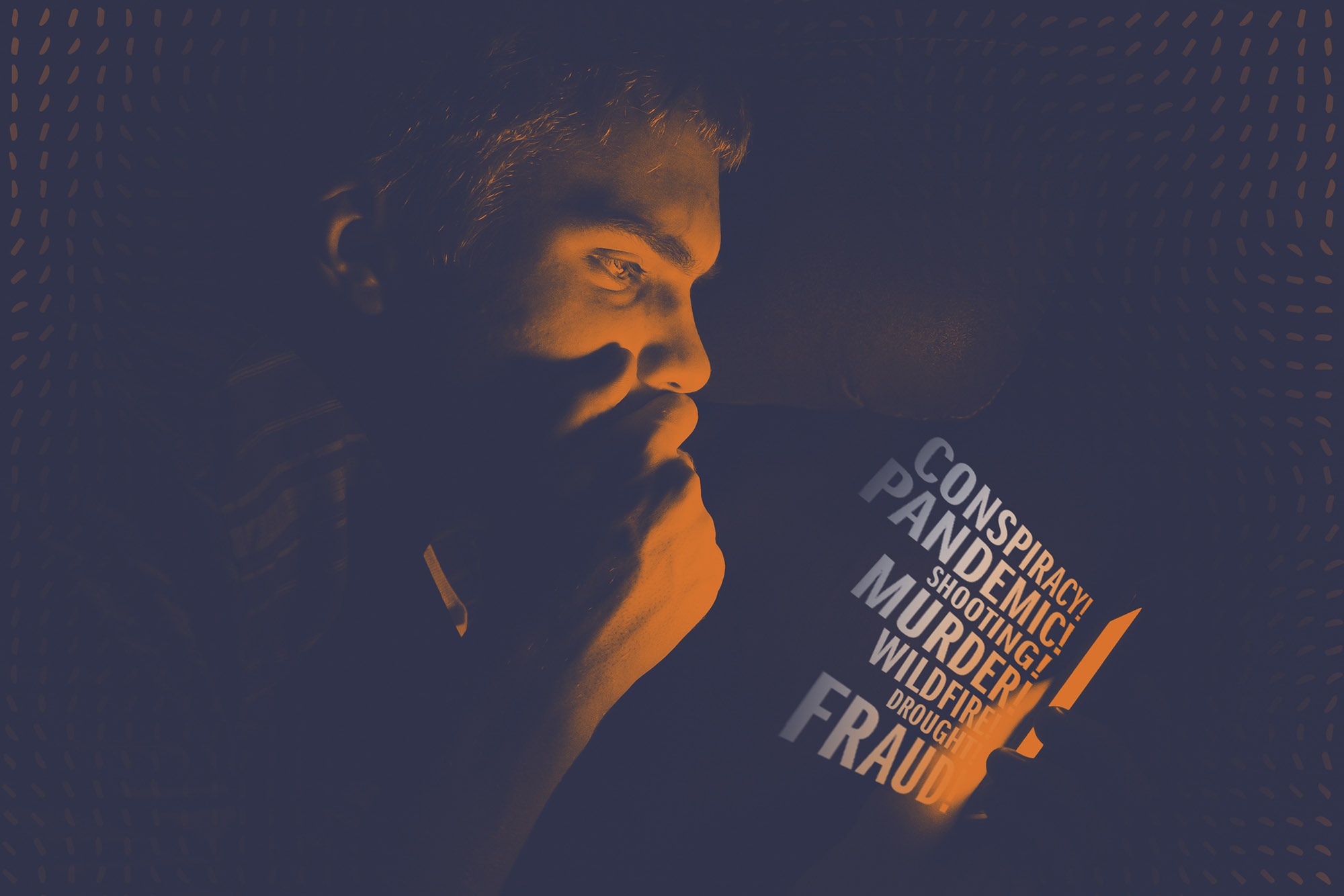




Dictionary.com recently added hundreds of new words to its catalog, many of them capturing the zeitgeist of 2020, the year COVID-19 overtook the United States. One of those new words is “doomscrolling”: the act of consuming large quantities of negative online news in a sitting.
As you might imagine, mental health experts say doomscrolling is not good for you. UVA Today reached out to Bethany Teachman, a University of Virginia professor of psychology and an expert in managing anxiety, who leads the Program for Anxiety, Cognition and Treatment Lab.
We had lots of questions for her about this new phenomenon and are happy to say that she has lots of helpful answers. Read on.
Q. Why do people do doomscroll?
A. This time has been filled with tremendous uncertainty – COVID-19 risk, vaccines, racial justice, the economy, politics, climate, the health of those we love – we have enormous unanswered questions in almost every critical sphere of life. With these unknowns comes a natural desire to resolve the uncertainty, so we seek information.
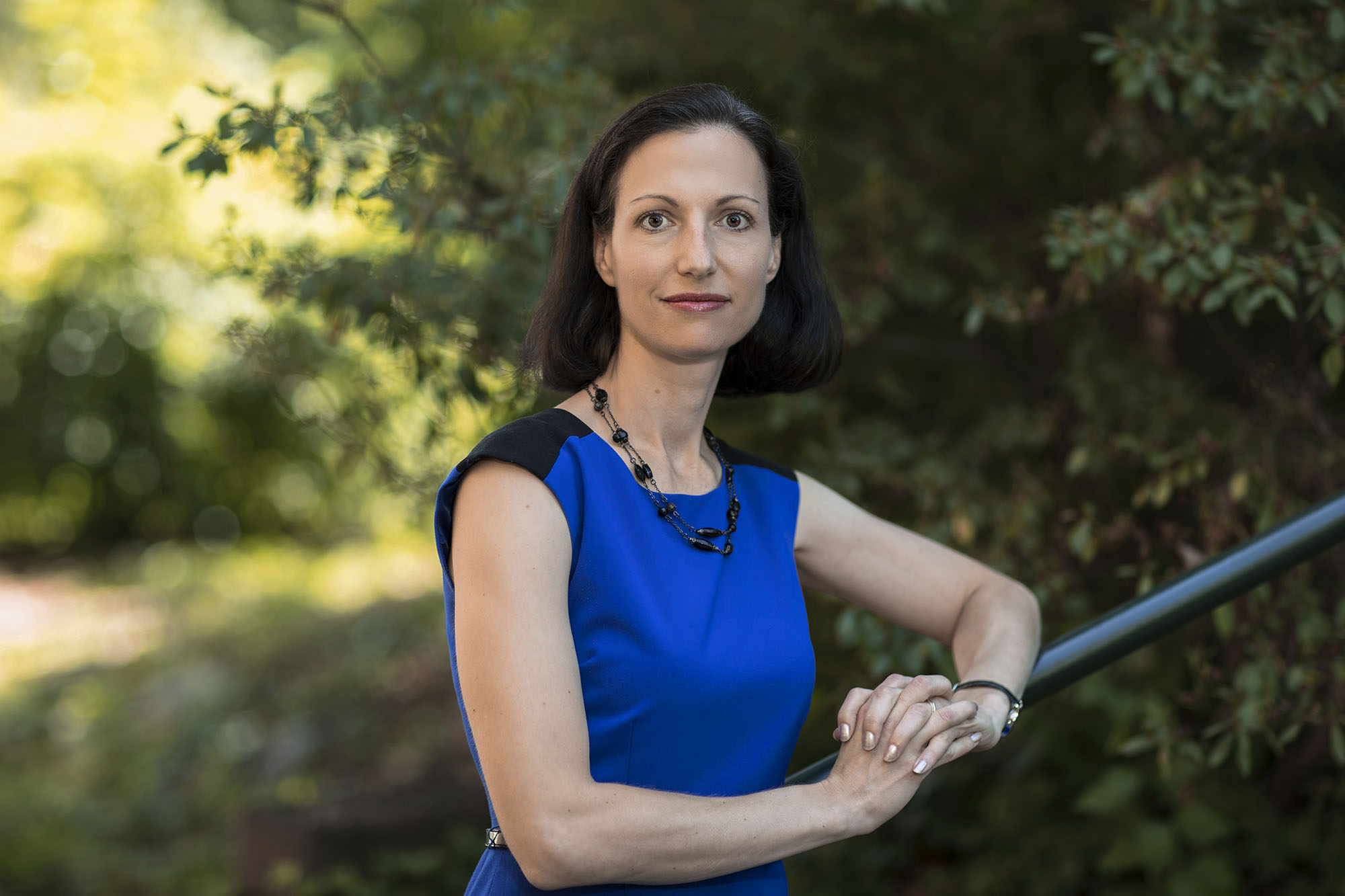
Psychology professor Bethany Teachman leads UVA’s Program for Anxiety, Cognition and Treatment Lab. (Photo by Dan Addison, University Communications)
There is a healthy side to this information-seeking that helps us to know what precautions we need to take during this time of elevated threat. Yet there is clearly also an unhealthy side that can leave us constantly on edge and worried we will miss the critical piece of information that will keep us safe and give us the answers we crave.
Of course, there is no one magic piece of information, news story, or Facebook post. Instead, we have to learn to tolerate the uncertainty.
Q. Are certain personalities more predisposed to this behavior?
A. We don’t have all the answers to who is spending hours a day during the pandemic doomscrolling, but we can infer from other research that people who are vulnerable to anxiety are going to be especially likely to fall into this cycle. This is because anxiety is associated with a bias to pay extra attention to negative information.
Anxious individuals quickly orient to negative cues, so threatening headlines capture attention rapidly, and they find it hard to disengage once they are reading negative information. This pattern can reinforce anxious individuals’ sense that the world is a dangerous place and they must be extra vigilant for signs of danger, which of course can lead to more doomscrolling in an endless cycle of monitoring for threat and trying to find answers to questions when those answers don't really exist.

.jpg)


