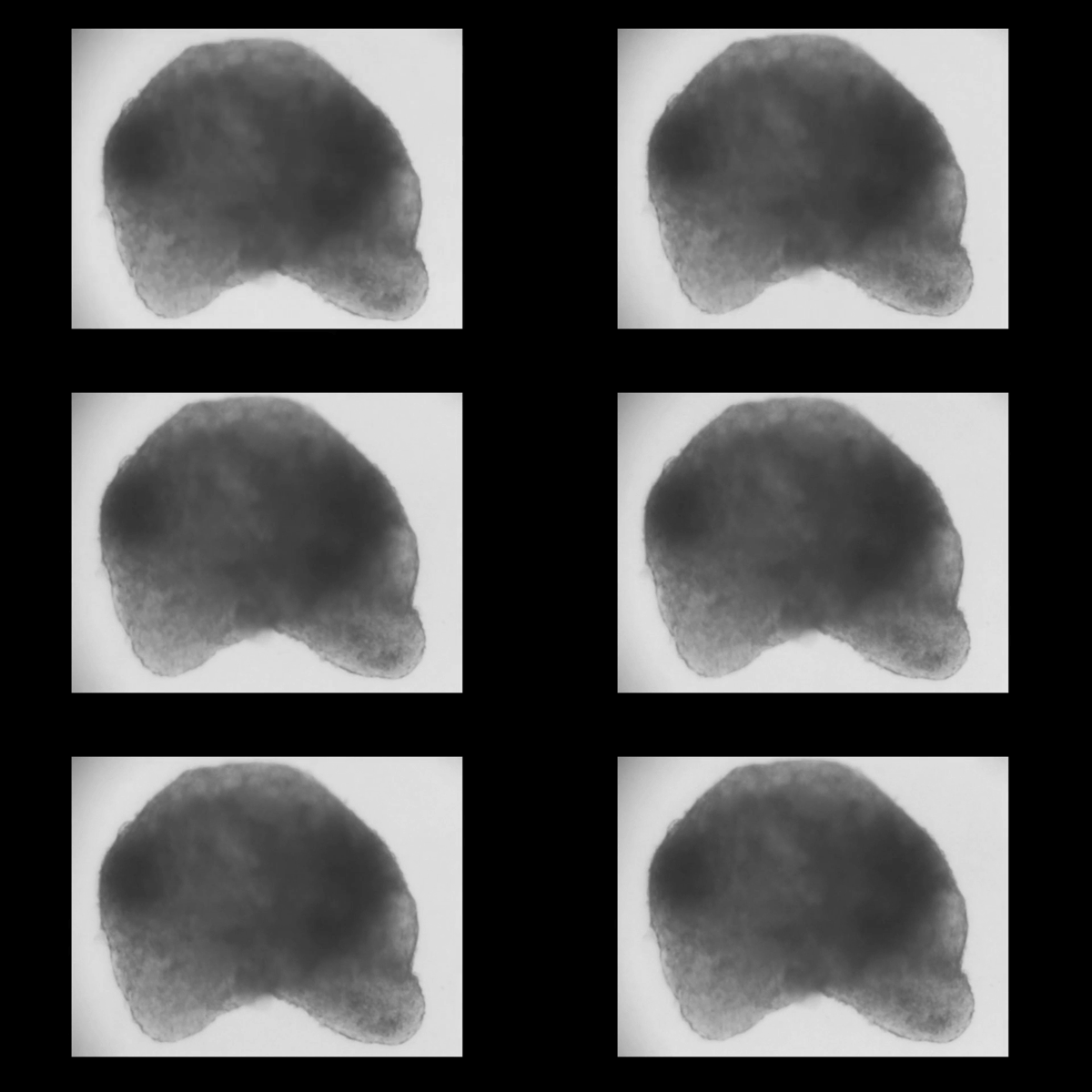




The tiny mouse embryo has a heart that beats. Its muscles, blood vessels, gut and nervous system are beginning to develop. But this embryo is unusual: It was made in a lab, out of mouse embryonic stem cells, and represents the most sophisticated in vitro (in a dish) model of a mammal ever so created.
This new model, developed at the University of Virginia School of Medicine by Christine and Bernard Thisse, is a major step forward in scientists’ efforts to mimic the natural development of a mammal by using stem cells. Its existence is a wonder that will help scientists understand mammalian development, battle diseases, create new drugs and, eventually, grow tissues and organs for people in need of transplants.
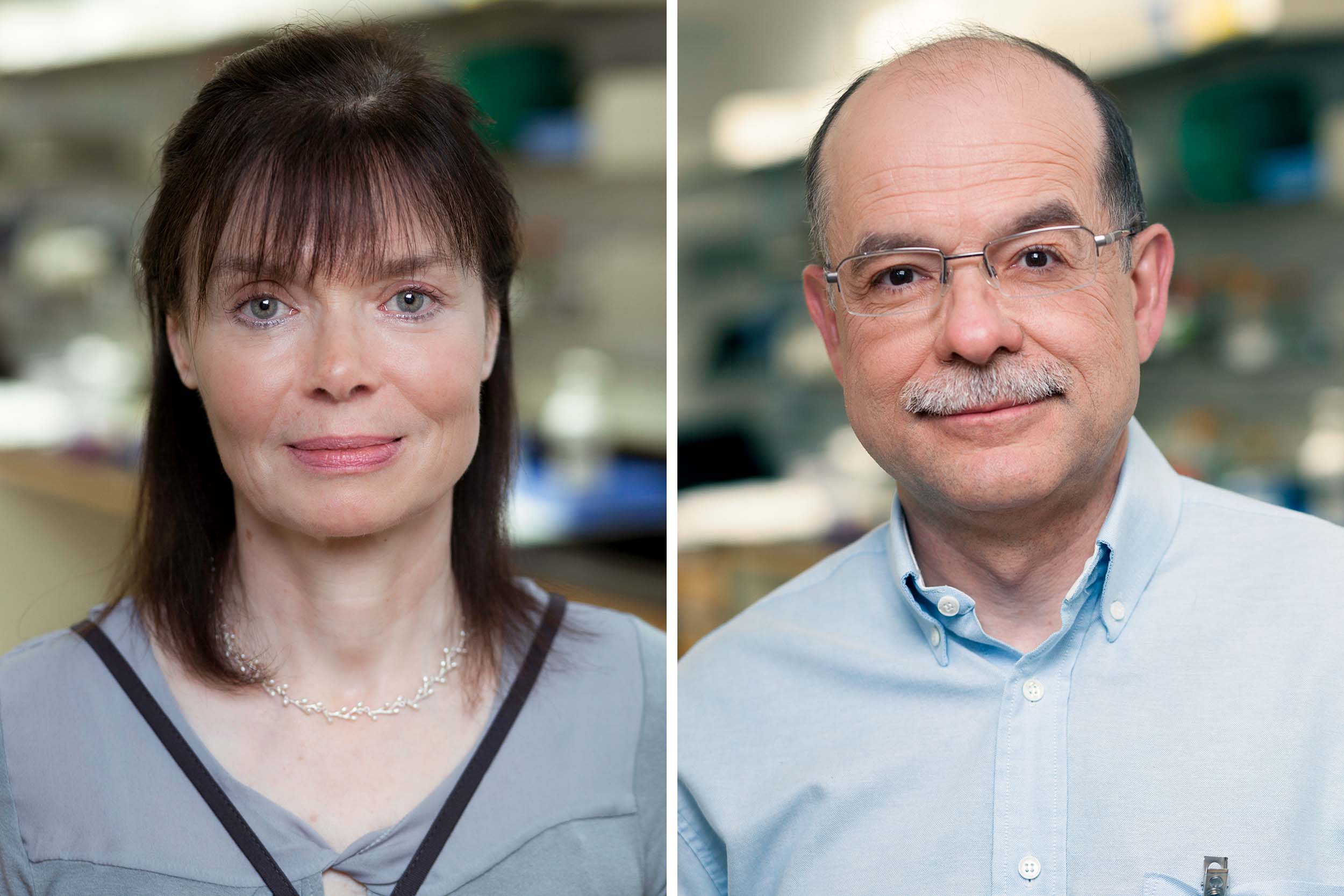
“We found a way to instruct aggregates of stem cells to initiate embryonic development. In response to this controlled instruction, the aggregates develop into embryo-like entities in a process that recapitulate the embryonic steps one-by-one,” explained Christine Thisse of UVA’s Department of Cell Biology. “What is amazing is that we can get the variety of tissues that are present in an authentic mouse embryo.”