



This year, the public was introduced to messenger ribonucleic acid, or mRNA, when it became a hero in the worldwide race to develop COVID-19 vaccines. Scientists lab-engineered mRNA to instruct human cells how to recognize, and then destroy, the spike protein that is the entryway for the virus.
Highly effective and precise, the approach offered a glimpse into the power of mRNA technology. Messenger RNA could one day help the human body tackle diseases like cancer with the same effectiveness.
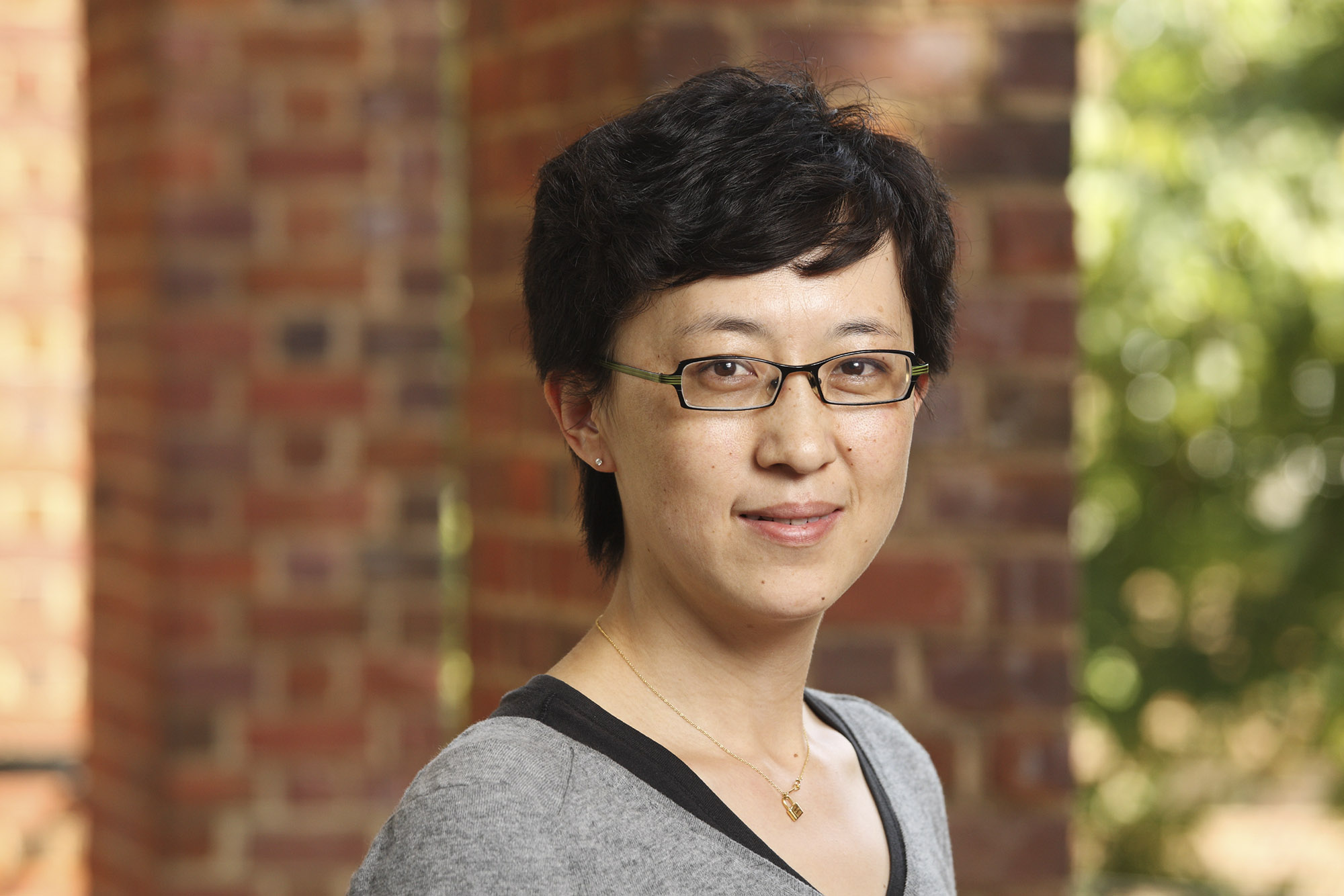
Yanjun Qi, an associate professor of computer science in the University of Virginia’s School of Engineering and Applied Science, could hold the key to making that happen.
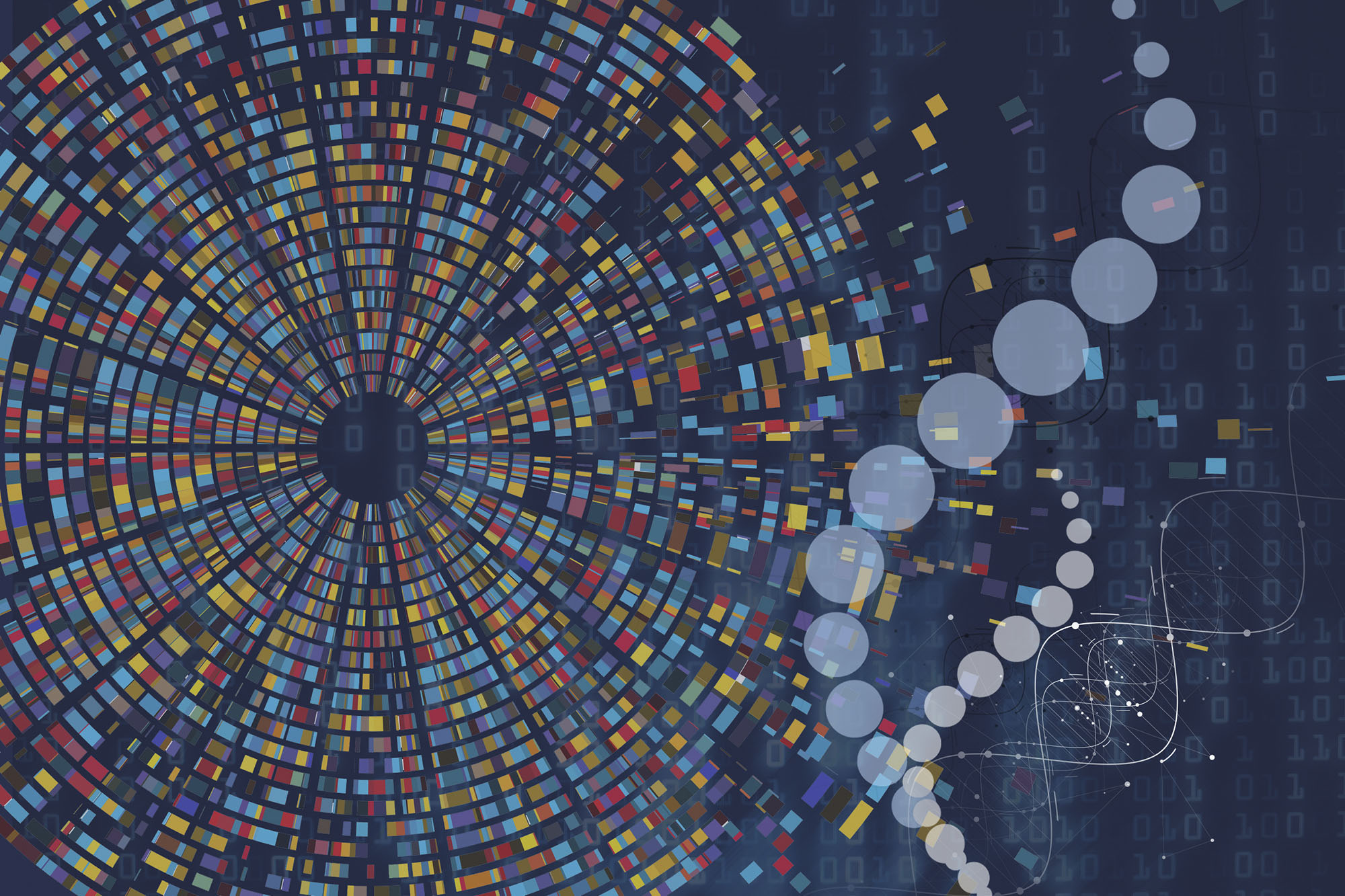
DNA, a human’s genetic code, holds the instructions that direct cells in performing all biological functions. Messenger RNA carries those instructions to the cells. Scientists hope to harness the body’s DNA-to-mRNA-to-cell action pathway – a process called gene expression – for precision medicine.
Before that potential can become a reality, however, researchers must discover what instructions the genes in our DNA are sending through messenger RNA.