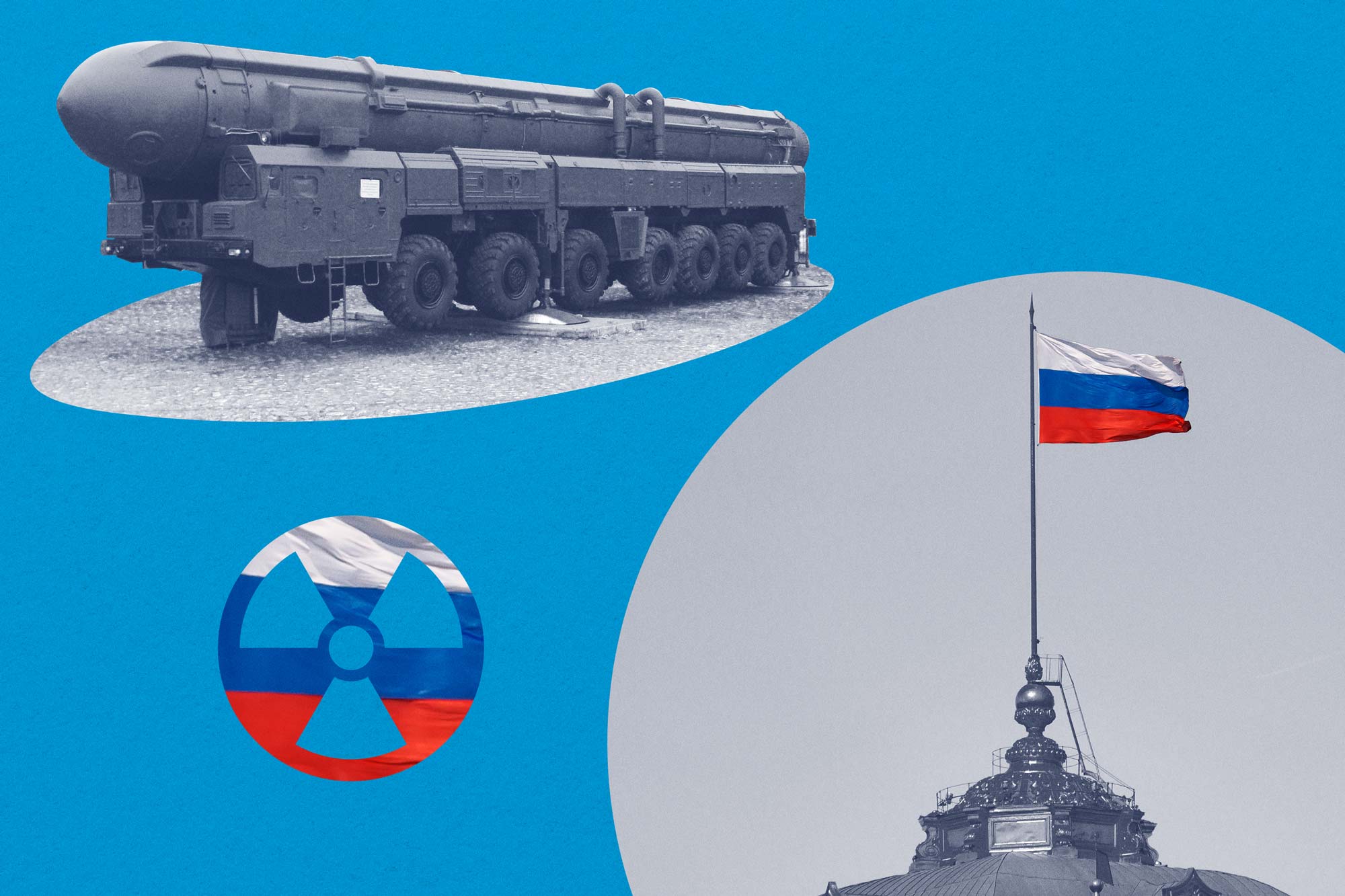




Russia’s assault on Ukraine continues to disrupt and complicate life not only in the besieged democracy, but across the world. The impacts are direct and personal, with lives lost and families separated. And the impacts are massive and impossible to predict, with markets and economies scrambled and the threat of wider conflict looming.
Late last week, Russian President Vladimir Putin raised the specter of nuclear conflict when he announced his country would place its nuclear deterrent on high alert. Tuesday, President Joe Biden addresses the nation in his first State of the Union Address, with topics including war in Europe and the emerging threat to democracies suddenly at the forefront.
UVA Today checked in with two experts on issues regarding the threat of nuclear brinkmanship, the influence of today’s events on the bigger picture of global democracy and freedom, and the importance of the leadership responsibility of the United States in what happens next.
Co-author of the book “Nuclear Weapons and Coercive Diplomacy,” Todd Sechser is the Pamela Feinour Edmonds and Franklin S. Edmonds Jr. Discovery Professor of Politics and Public Policy and a senior fellow at the Miller Center.
“The nuclear alert is an extraordinary escalation. But it suggests that Putin is running out of coercive options,” he said. “Russia has been turning up the pressure on Ukraine for years, and now it has launched a full-scale invasion.”
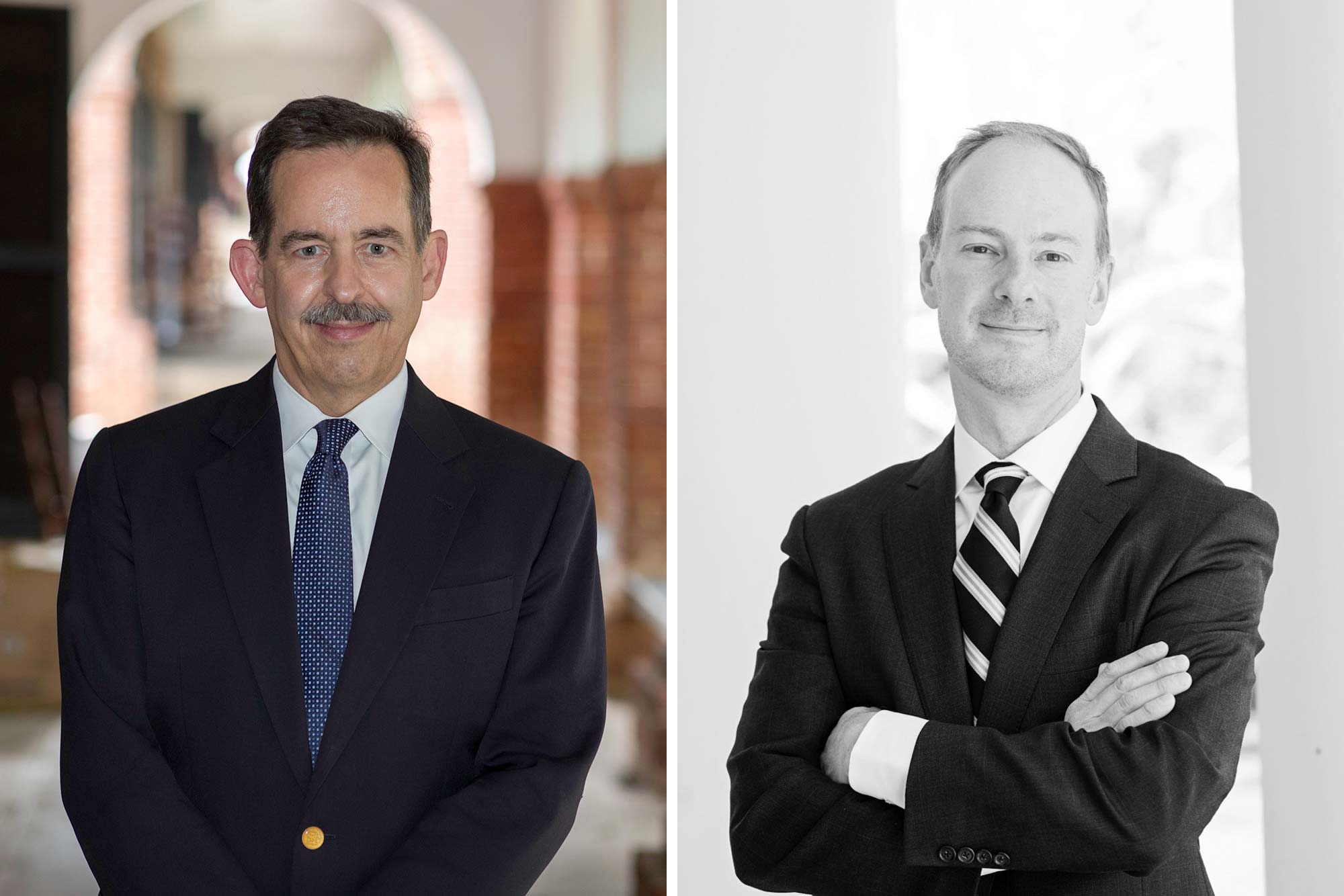
Stephen Mull is a veteran diplomat and now is UVA’s vice provost for global affairs. Todd Sechser is the Pamela Feinour Edmonds and Franklin S. Edmonds Jr. Discovery Professor of Politics and Public Policy. (Left photo by Dan Addison, University Communications. Right photo contributed)
To this point, Moscow has succeeded mostly in prompting a massive economic backlash that Russians will feel for a long time,” said Sechser, who also runs UVA’s Democratic Statecraft Lab.
“If the nuclear alert was intended to coerce the United States and Europe into ratcheting down economic sanctions or abandoning Ukraine, it failed. If anything, it has served to further inflame world opinion against Russia,” Sechser said. “But this fits the historical pattern: nuclear threats are only credible for self-defense, not as a means of coercion.”
Leaders may have the misconception that nuclear threats are a dial they can turn up and down to get what they want. But, Sechser said, “they soon discover, as Donald Trump did with North Korea, that it isn’t so simple.”
So how will this crisis end? Sechser said it will, in part, depend on how much Ukrainian territory the Russian military can take, what costs it is willing to pay to do it, and how fierce a Ukrainian insurgent resistance might be. It is still very early, Sechser said, and we won’t know the answers to these questions for some time. “But the United States and Europe should start thinking about the conditions under which economic sanctions can be lifted, and how they can allow Putin to back down while saving face,” the nuclear expert said. “Leaving Russia a viable off-ramp is critical to preventing this crisis from escalating even further.”

.jpg)


