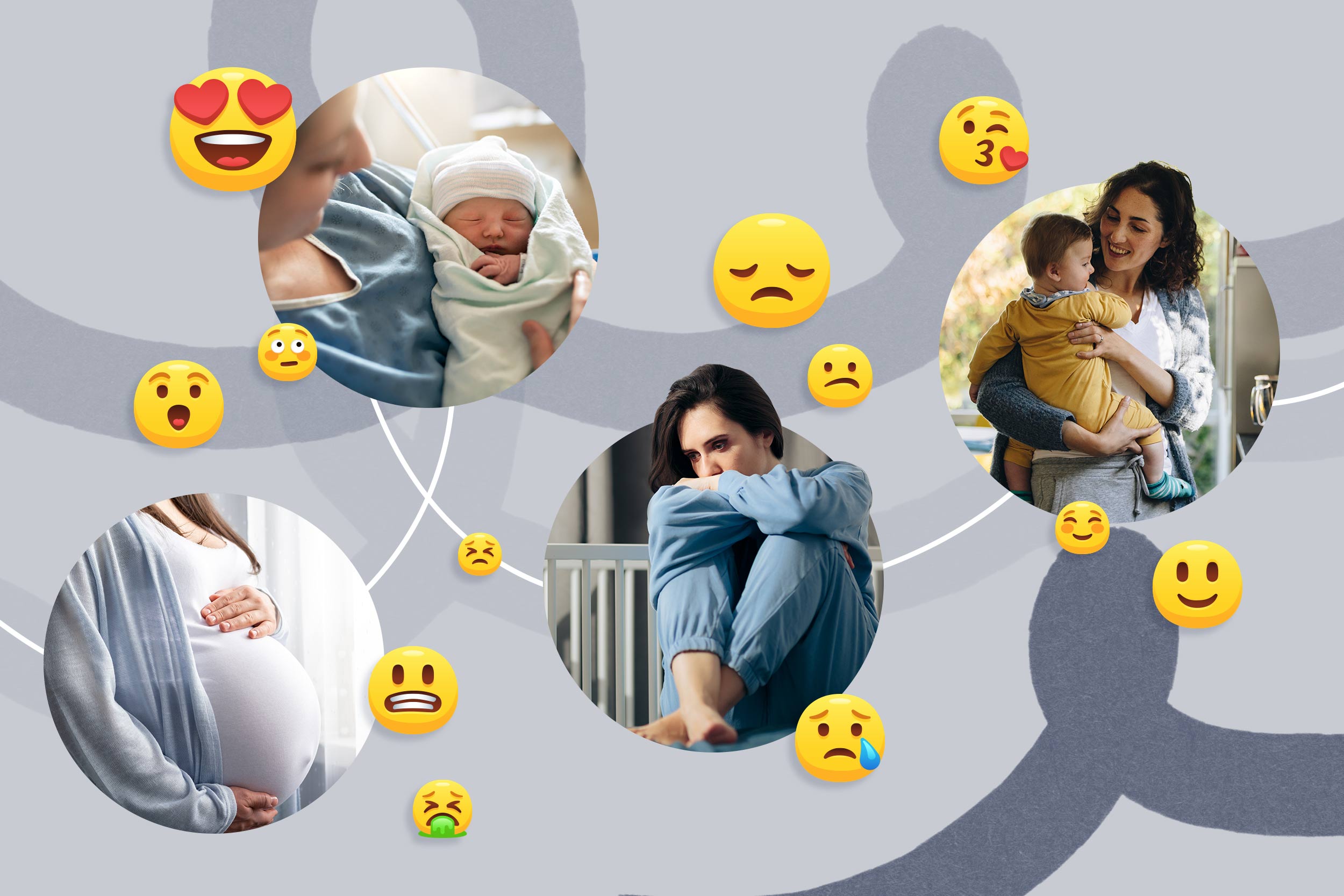




After the birth of her first child, the actor and “High School Musical” star Ashley Tisdale said she “felt robbed of the joy I’d been hoping to experience.” She was describing postpartum depression.
Colloquially known as “the baby blues,” the condition is the most common birth complication, affecting about 15% of women who give birth, according to an expert in postpartum psychiatry. Up to half of women with a previously diagnosed mental health condition will experience postpartum depression, should they choose to become pregnant.
Despite how common postpartum depression is, only 40% of women receive treatment, according to the American Medical Women’s Association. Symptoms can persist for weeks or longer and include everything from sleep loss to difficulty bonding with the baby. If left untreated, postpartum depression can lead to long-term negative effects on the child’s behavioral, cognitive and emotional development.
“The cause is likely this marriage between biological vulnerability and environmental stressors that leads to postpartum depression,” said Dr. Jennifer Payne, a reproductive psychiatrist and a professor of psychiatry and neurobehavioral sciences at the University of Virginia’s School of Medicine.
Payne’s research has suggested that women who are sensitive at times of hormonal change – like the premenstrual period – are more likely to have postpartum depression. That makes sense, she said, since progesterone and estrogen levels surge during pregnancy, only to drop precipitously after a woman delivers the placenta.

Jennifer Payne is a reproductive psychiatrist. She’s been studying genetic markers for postpartum depression for years. (Contributed photo)
A family history of postpartum depression and not taking prescribed psychiatric medications as directed raises the risk, too. But psychosocial factors, like financial stability, childhood trauma and the absence of a support network, also contribute to a new parent’s mental wellbeing.
What distinguishes postpartum depression from major depression – besides a baby – is “complicated,” Payne said.
“Clinically, a major depressive episode might not be that different from a postpartum depressive episode, besides having this one specific biological trigger,” Payne said. “A large percentage of women with postpartum depression have an anxious depression presentation, meaning that they have increased anxiety along with depressive symptoms. Some of the symptoms can be focused on the baby – whether you’re attaching to them properly, whether they’re healthy.”
Several factors may discourage a woman from seeking help for mental health symptoms after pregnancy. She may fear having her baby taken away, feel shame that she is not euphoric after having a child, or face challenges finding a mental health provider. While this is changing, Payne said, many obstetric gynecologists aren’t trained to look for mental health symptoms in their postpartum patients.
The good news is that treatment options tend to be effective for the women who receive them.
“We know that general antidepressants are effective. We know that interpersonal therapy and cognitive behavioral therapy are effective. There’s a medication called zuranolone that is a very effective treatment for postpartum depression,” Payne said.


