A new discovery from the University of Virginia School of Medicine about how the microbes in our guts regulate the body’s biological clock could help us battle sleep disorders, combat jet lag, fight off foodborne illness and even improve chemotherapy outcomes.
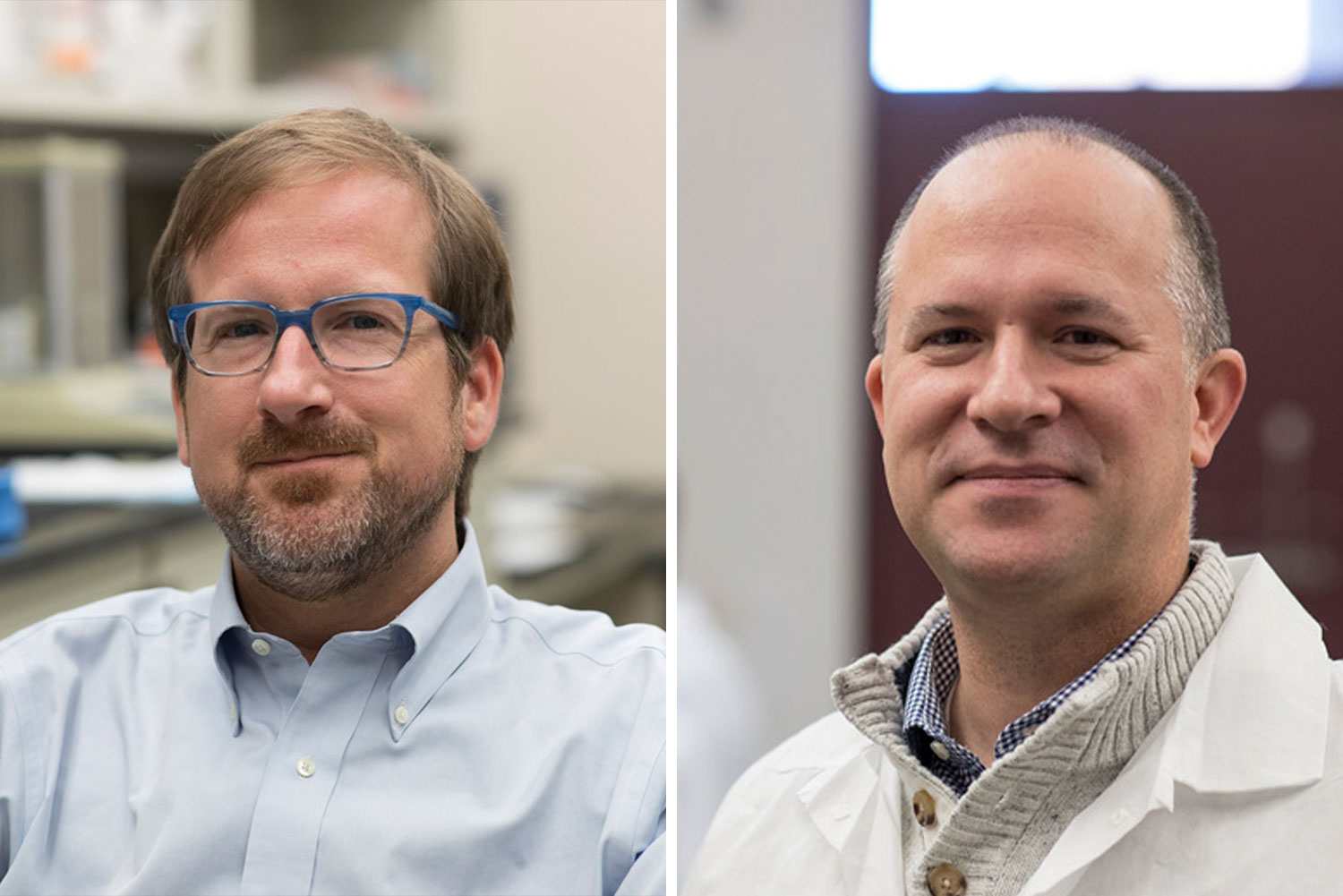
A UVA research team, led by Dr. Sean Moore and Jason Papin, used miniature “guts in a dish” and advanced computer modeling to reveal how microscopic organisms that naturally live in our guts direct the timing of daily activities of the cells lining our intestines. These activities, such as absorbing nutrients from food, are essential to good health. Disruptions of the intestinal cells’ “circadian rhythms” have been linked to obesity, ulcers, diarrhea, inflammatory bowel disease and other health problems.
The new research, from UVA’s TransUniversity Microbiome Initiative and collaborators, sheds light on how unique byproducts produced by our gut bacteria reset the internal clock that sets the schedule for when intestinal cells carry out their vital jobs. With this information, doctors may be able to target our gut microbes to improve patients’ health, battle disease and possibly even reset our internal clocks when we travel to reduce jet lag.