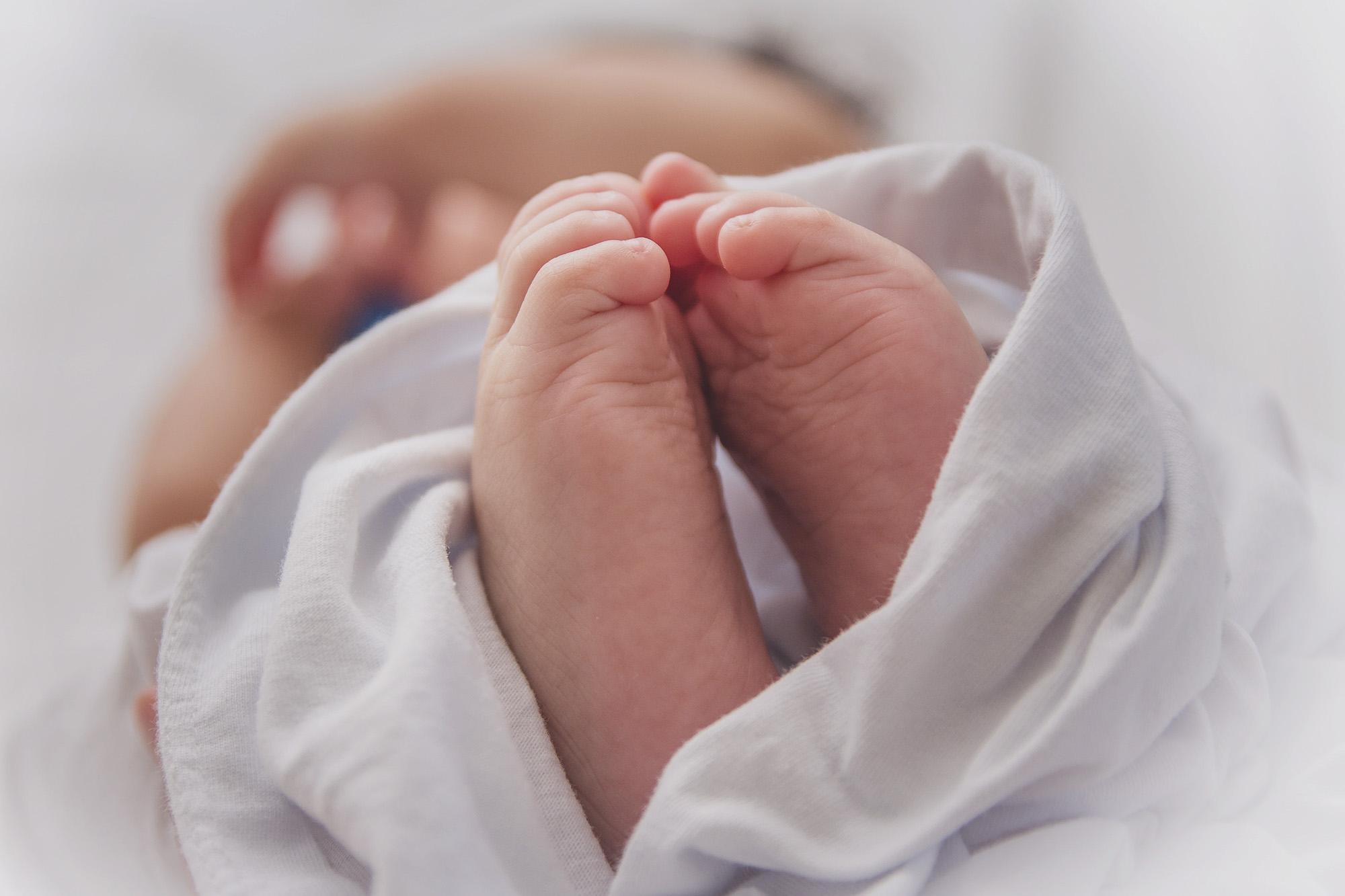




A nationwide survey of hospitals has revealed a wide variety of approaches to newborn skin care – including the timing of the first bath – that could ultimately have lasting effects on a baby’s health and wellbeing.
Believed to be the first of its kind, the survey sought to document newborn skin care practices at hospitals around the country. Doctors have increasingly come to appreciate the importance of infant exposure to natural skin microbes, but there are no clear evidence-based guidelines for hospitals to follow.
The result, the researchers found, is a mishmash of practices that sometimes break down along regional lines.
“The variation in what hospitals are doing for newborn skin care is a direct result of previously not having a good understanding of what really is the best way to care for a baby’s skin,” researcher Dr. Ann L. Kellams of UVA Children’s said. “The hope now is that this work will challenge us all to take a look at the evidence and incorporate practices that protect babies the most.”
Newborn Skin Care: What’s Best for Baby?
The skin care babies receive in the hours and days after birth has long-term effects, shaping breastfeeding outcomes, infant skin health and even infection rates. For example, children who are birthed vaginally are known to have decreased rates of childhood allergies compared with those born by caesarian section.
That said, there is little hard evidence on health outcomes associated with delayed bathing and other newborn skin practices, such as the use of specific soaps and cleansers. That often leaves doctors with conflicting opinions, often built on anecdote and personal experience.
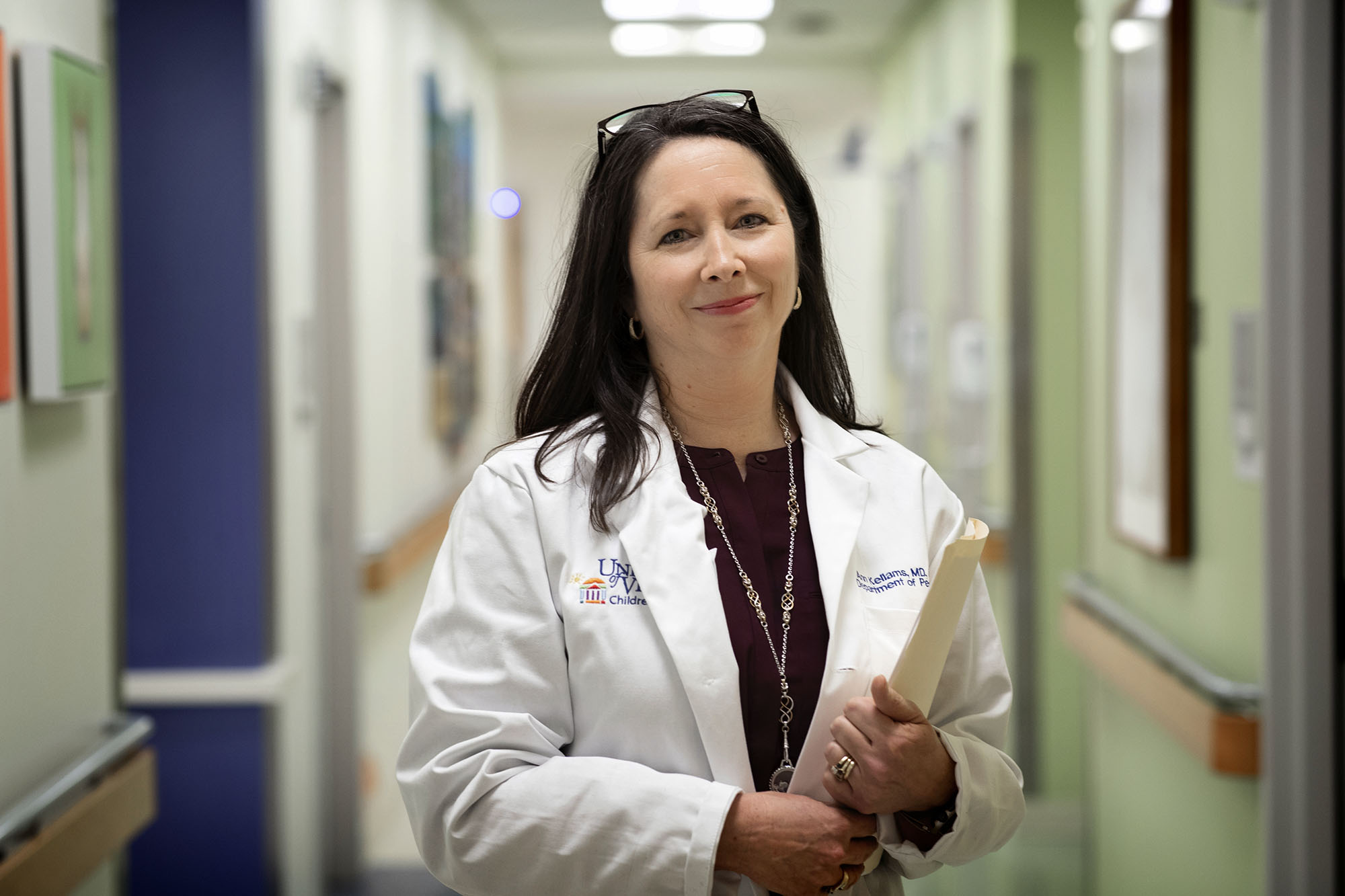
Dr. Ann L. Kellams is a board-certified pediatrician and a professor in the Department of Pediatrics in UVA’s School of Medicine. (Photo by Dan Addison, University Communications)
To get a sense of the practices in place around the country, the researchers sent 16 questions to nursery medical directors at 109 hospitals that are members of the Better Outcomes Through Research for Newborns network. The questions asked about bathing practices, the products used and the advice given to parents, among other topics.
The responses indicated:
- 87% of hospitals delay the first bath by at least six hours.
- 10% send babies home without a bath, a practice more common in non-academic centers and on the West Coast.
- Hospitals use a huge variety of products and procedures, though almost all include a “baby” soap containing detergents known to compromise the newborn’s skin integrity.
- Bathing advice for parents, such as whether they should use soap when washing the baby, is “inconsistent and potentially contradictory” among health care providers. This can leave parents confused and uncertain what to do.


