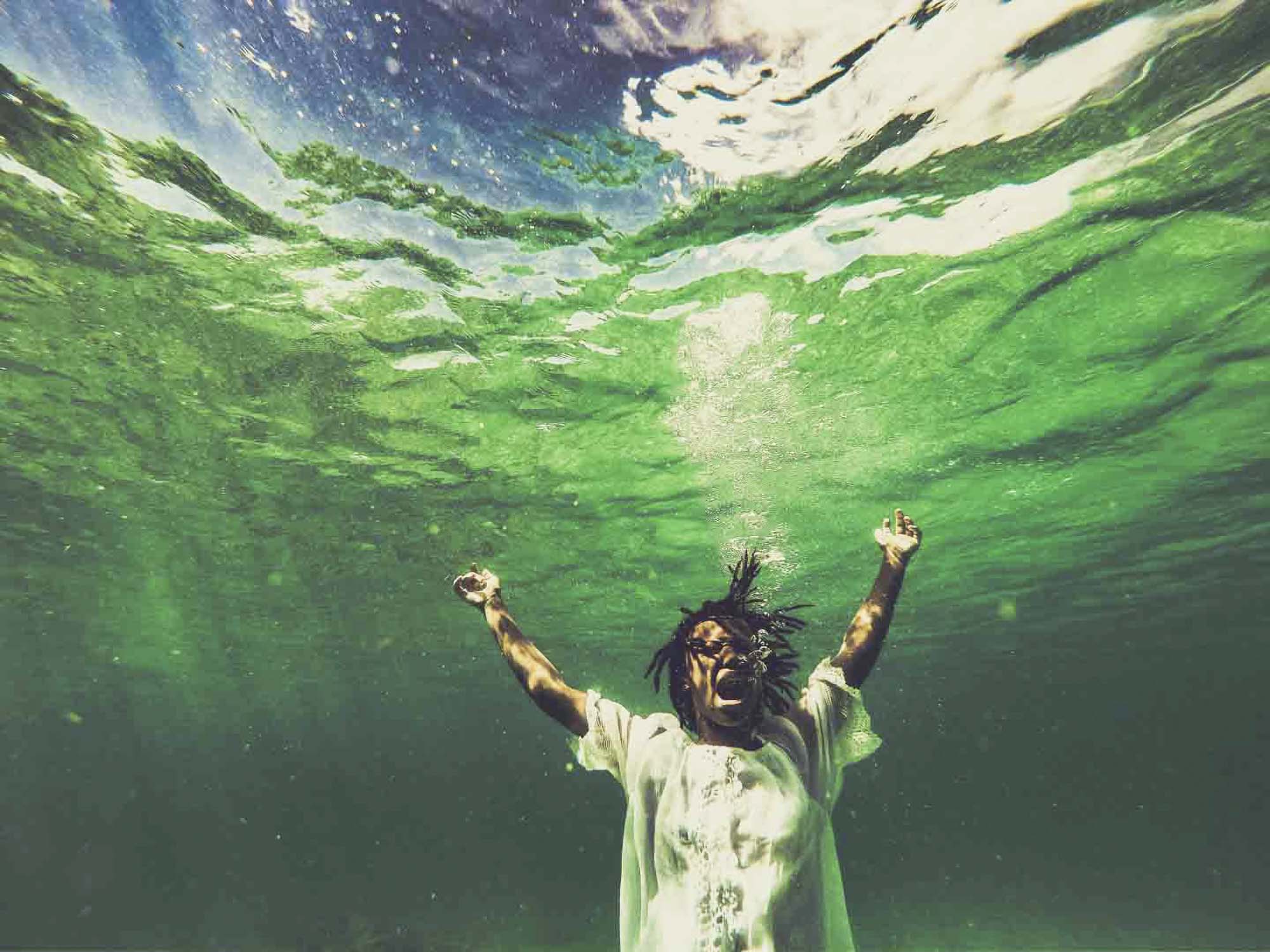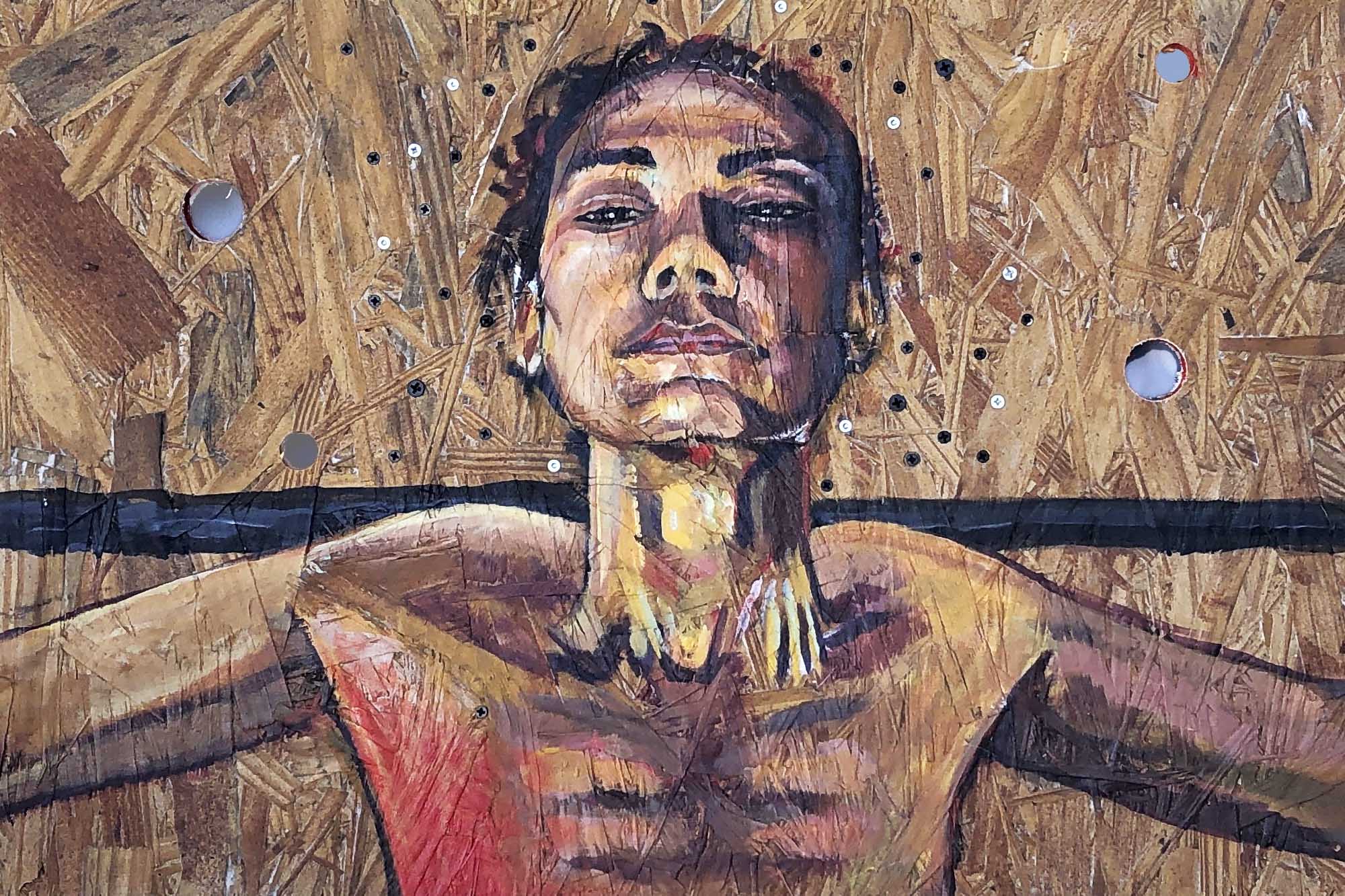




The Caribbean islands might sound like the ideal beautiful, balmy vacation spot, but for scholars who study the region, it is so much more – a place of important history and flourishing arts that has much to show its neighbors and past conquerors, a region that has often been misunderstood because of its struggles.
“The Caribbean is a place of profound linguistic and cultural contact, and the birthplace of anti-racist and anti-capitalist revolutions,” Spanish professor Anne Garland Mahler said. “In essence, there is very little in this world that does NOT somehow connect back to the Caribbean.”
At the University of Virginia, faculty in the Carter G. Woodson Institute for African American and African Studies and other departments are responsible for two new recent graduate programs, one that focuses on Caribbean culture and a separate one on Africana studies, which includes Caribbean history.
“To the general public, it might seem like a buried history, but the Caribbean is so much more than tourism,” said Marlene Daut, professor of African American and African Studies and an expert on Haiti who helped create the new program on Caribbean literatures, arts and cultures.