



You’re scrolling through Instagram when you see it: someone mixing entire bottles of bleach, Pine-Sol and dish soap into a toxic stew to “clean” their sink. Or maybe it’s a recipe video where the creator is clearly doing everything backward. Or an absurd political take that makes your blood boil. Your brain screams at you to keep scrolling, but your fingers are already engaging in the comment section.
[a sponge squeaks and foamy products slosh as they mix]
Congratulations. You’ve just been rage baited.
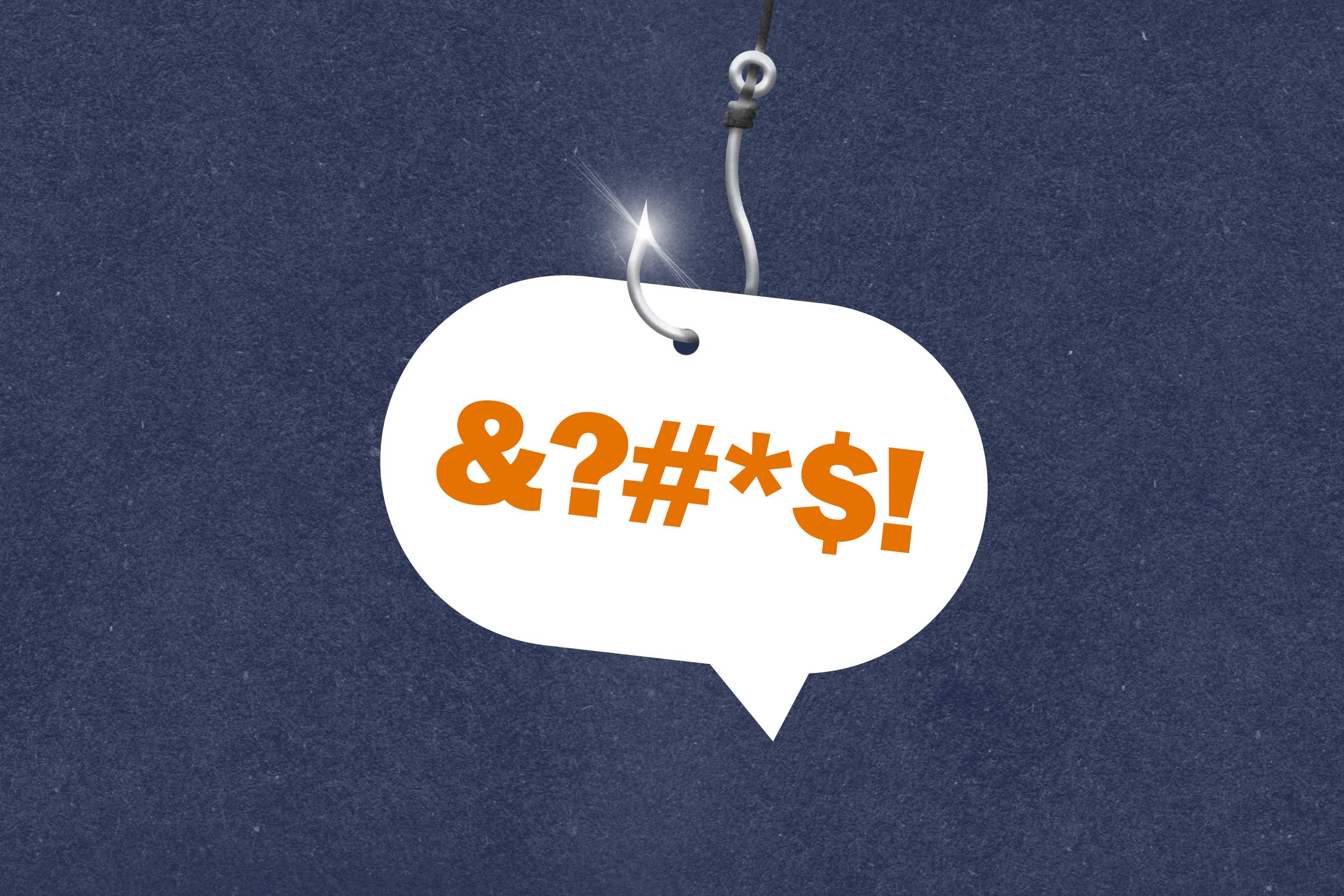
Earlier this month, Oxford University Press announced “rage bait” as its 2025 Word of the Year, defining it as “online content deliberately designed to elicit anger or outrage by being frustrating, provocative or offensive, typically posted in order to increase traffic to or engagement with particular web page or social media content.”
The term might be new, but the phenomenon isn’t. UVA Today turned to Bethany Teachman, a University of Virginia psychology professor, to explain why it’s difficult for our brains to resist the bait.
Q. What psychological mechanisms make rage bait so effective at capturing attention?
A. There is not yet a lot of research specifically on rage bait, but the tendency to be drawn to negative and anger-inducing information is well established.
There are so many different demands for our attention, so we need a system to determine what cues get priority, and it makes sense that we prioritize cues that suggest we need to protect ourselves. When we encounter information that suggests something might be threatening, we are primed to recognize that potential danger quickly so we can take steps to mitigate the danger and reduce our vulnerability.
Q. Why do people engage with this content even when they know it’s intended to provoke them?
A. In the case of anger, it’s a powerful communication signal that suggests something unfair has occurred or a goal has been thwarted, and it motivates us to take action to defend ourselves, correct the injustice or solve the problem.

UVA psychology professor Bethany Teachman directs the PACT Lab, which investigates cognitive processes that contribute to anxiety disorders and emotional dysregulation. (Contributed photo)
Feeling anger compels us to approach the anger trigger (in contrast to emotions like anxiety and sadness that make us want to withdraw or avoid), so we are often “baited” by rage bait.
Q. How does repeated exposure to rage bait content affect our emotional regulation and decision-making?
A. There is nothing wrong with experiencing negative emotions, and it’s very unhelpful to try to avoid all negative emotions, but we don’t want to get stuck on a single emotional experience. It’s not healthy to feel chronic stress and anger, and it has all kinds of harmful effects on the body.
If we keep engaging with rage bait or other material that leads to chronic activation of negative emotions, it can skew how we interpret information in our environment. When our attention is narrowed so that we are focusing extensively on material that makes us enraged, we are less open-minded and less able or willing to see others’ perspectives. If we regularly view the world as dangerous and think people are “against us,” then we react to people as though they are threatening, which erodes the chance to build bridges and connection.
Q. Do you have any practical tips for recognizing rage bait?
A. If information is presented in ways that are extreme and seem designed to provoke a strong emotional reaction, rather than to educate and communicate with nuance and understanding, be on alert. I’d also watch for seeing very similar stories one after another, as the algorithms typically feed us information that compels us to click and click, and anger is particularly good at drawing us in.